GOING FORWARD PHOTONIQUE WILL BE ADVERTISMENT FREE
GOING FORWARD PHOTONIQUE WILL BE ADVERTISMENT FREE
Originally Photographed Not Specified
THIS IS ONE OF TWO CAVES
* In The Year 2008 * In The Year 2011 * In The Year 2017 * Henrietta Back In 2010
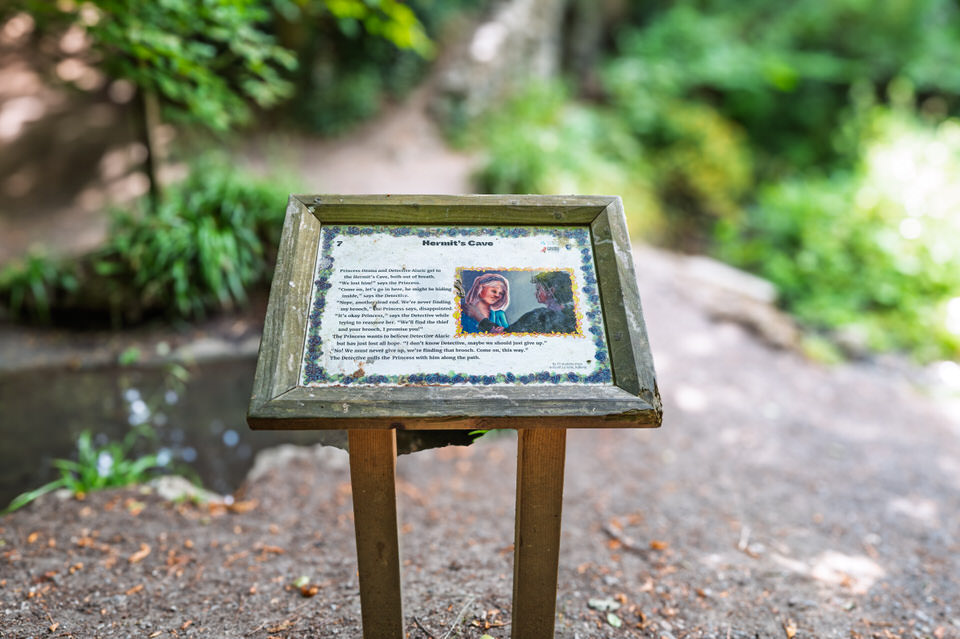
St Anne’s Park—spanning 240 acres of lush woodland between Clontarf and Raheny in Dublin—is full of quiet secrets. Given its scale, missing its finer details is easy. For a long time, the famous Hermit’s Cave along the Naniken River was the only cave folly I could locate. I had completely overlooked the park's second cave simply because of the direction from which I usually approached the nearby Annie Lee Bridge.
While both structures sit along the Naniken River network and share the iconic Victorian rockwork style, The Hermit’s Cave holds a unique place in the estate's history.
The Vision Behind the Hermit’s Cave
Built during the 19th century by the Guinness family as part of an ambitious project that created 12 decorative follies, the Hermit’s Cave is a masterclass in Victorian Romantic landscape design. During this era, wealthy landowners embraced the Picturesque movement—shunning overly formal gardens in favour of wild, theatrical, and moody landscapes.
Architectural Intent: Unlike simple decorative grottoes, the Hermit's Cave (associated with the Hermitage Bridge) was designed to evoke a solitary, ascetic retreat—a popular landscape motif intended to stir feelings of contemplation and mystery.
The "Hermit's Cell": Set deeper along the river course, the primary structure features a dedicated stone bridge spanning the water, with a built-in chamber or passage nestled at the river-bank level.
A Secluded Refuge: It provided a shaded resting spot, offering framed views of the rushing water and surrounding foliage below.
Over the decades, moss and dense foliage have partially reclaimed the stone entrance, deepening its sense of seclusion and making it feel like a true hidden retreat.
Clearing Up the Confusion: Hermit’s Cave vs. Annie Lee Bridge
*Because both sites incorporate Victorian rockwork along the river, visitors frequently mix them up. However, their historical purposes could not be more distinct:
The Hermit’s Cave (Hermitage Bridge)
The Annie Lee Cave (Annie Lee Bridge)
Key Takeaway: In 19th-century estate planning, a clear line was drawn between a grotto (a decorative alcove, such as the one beside the Annie Lee Bridge) and a hermitage (a secluded retreat). The Hermit’s Cave remains one of the most evocative examples of this romantic architectural tradition in Dublin today.
Geology & Appearance of the Stone