MOUNT JEROME - APRIL 2016
A common grave is any grave where the exclusive right of burial has not been purchased. If you choose to arrange a burial in a common grave you have no rights to put any kind of lasting memorial on the grave as it remains the property of the organisation that own the cemetery. The managers of the cemetery have the right to carry out further burials into that grave regardless of whether the deceased are
related or not. My understanding is that the family pay funeral expenses and associated costs.
At Glasnevin Cemetery common graves are now known as “Gone Over Graves” and according my sources the majority of graves in Dublin and especially Glasnevin are “gone over graves” in which people were buried for free many years before.
So ‘Common Grave’ is the general term for a grave in which no private burial rights existed. Common graves contain the bodies of unrelated people who died during a period of time and whose families could only afford a very basic burial but not a private grave. Headstone are not erected, so the occupants were un-commemorated.
A Pauper’s Grave is a grave for burials where the cost of the burial has been met from public funds or by the cemetery or related charity. As a common grave would probably contain some paupers as well as people whose families had managed to pay for the burial there is really no such thing as a 'pauper's grave', and the term is never used officially.
SORRY FOR THE DELAY
-

APRIL 2016 VISIT TO MOUNT JEROME GRAVEYARD
-

APRIL 2016 VISIT TO MOUNT JEROME GRAVEYARD
-

APRIL 2016 VISIT TO MOUNT JEROME GRAVEYARD
-

APRIL 2016 VISIT TO MOUNT JEROME GRAVEYARD
-

APRIL 2016 VISIT TO MOUNT JEROME GRAVEYARD
-

APRIL 2016 VISIT TO MOUNT JEROME GRAVEYARD
-

APRIL 2016 VISIT TO MOUNT JEROME GRAVEYARD
-

APRIL 2016 VISIT TO MOUNT JEROME GRAVEYARD
-

APRIL 2016 VISIT TO MOUNT JEROME GRAVEYARD
-

APRIL 2016 VISIT TO MOUNT JEROME GRAVEYARD
-

APRIL 2016 VISIT TO MOUNT JEROME GRAVEYARD
-

APRIL 2016 VISIT TO MOUNT JEROME GRAVEYARD
-

APRIL 2016 VISIT TO MOUNT JEROME GRAVEYARD
-

APRIL 2016 VISIT TO MOUNT JEROME GRAVEYARD
-
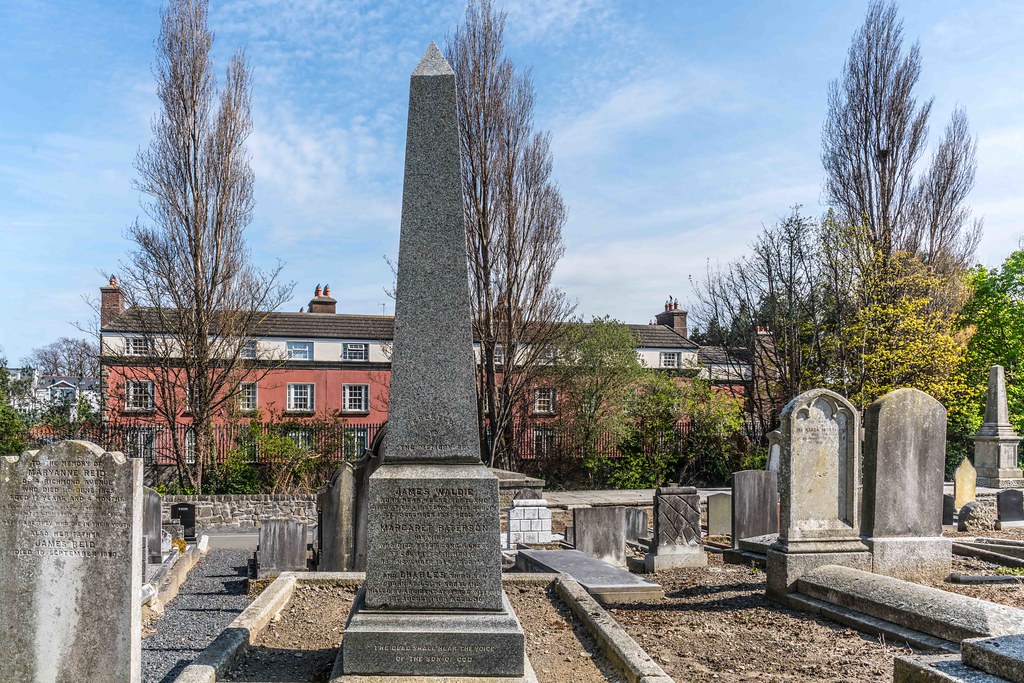
APRIL 2016 VISIT TO MOUNT JEROME GRAVEYARD
-
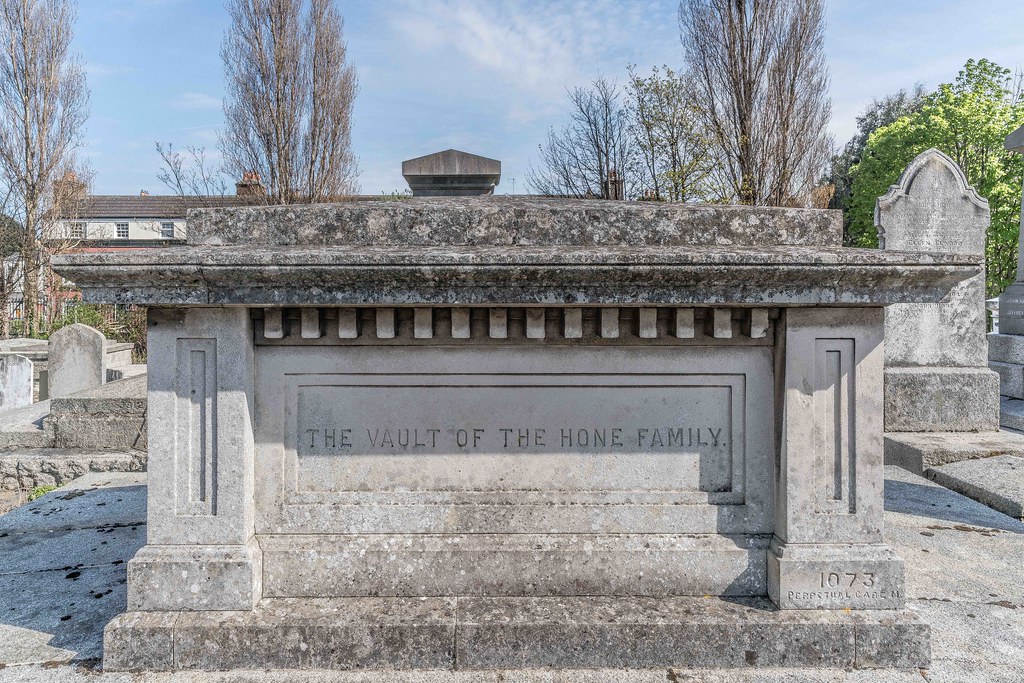
APRIL 2016 VISIT TO MOUNT JEROME GRAVEYARD
-

APRIL 2016 VISIT TO MOUNT JEROME GRAVEYARD
-

APRIL 2016 VISIT TO MOUNT JEROME GRAVEYARD
-

APRIL 2016 VISIT TO MOUNT JEROME GRAVEYARD
-
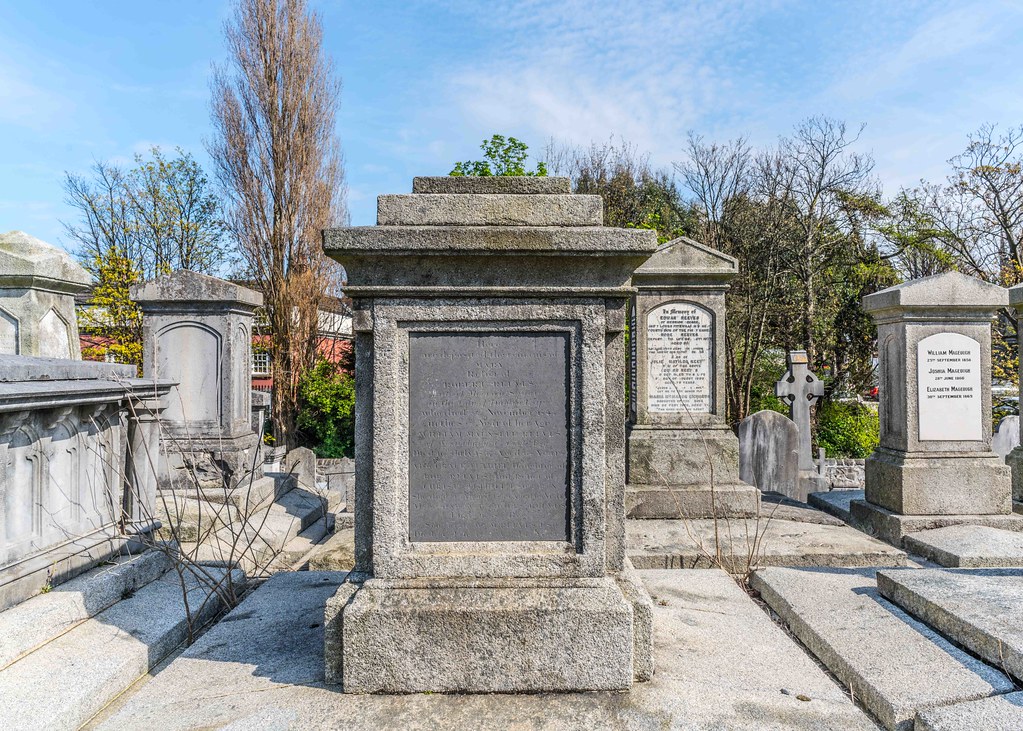
APRIL 2016 VISIT TO MOUNT JEROME GRAVEYARD
-

APRIL 2016 VISIT TO MOUNT JEROME GRAVEYARD
-

APRIL 2016 VISIT TO MOUNT JEROME GRAVEYARD
-

APRIL 2016 VISIT TO MOUNT JEROME GRAVEYARD
-

APRIL 2016 VISIT TO MOUNT JEROME GRAVEYARD
-

APRIL 2016 VISIT TO MOUNT JEROME GRAVEYARD
-

APRIL 2016 VISIT TO MOUNT JEROME GRAVEYARD
-

APRIL 2016 VISIT TO MOUNT JEROME GRAVEYARD
Robert Adams (1791–1875), physician and professor of surgery
Maeve Binchy (1940–2012), author (cremated)
Edward Bunting (1773–1843), musician, music-collector
Frederick William Burton (1816–1900), painter and director of the National Gallery
Peter Caffrey (1949–2008), actor (cremated) (Ballykissangel)
Sir Charles Cameron (1830–1921), for 50 years head of the Public Health Department of Dublin Corporation, along with two of his sons, Charles J. and Ewen Henry
James Campbell, 1st Baron Glenavy (1851–1931), lawyer, politician and Lord Chancellor of Ireland
William Carleton (1794–1869), writer
Thomas Caulfield Irwin (1823–1892), poet, writer, scholar
Abraham Colles (1773–1843), surgeon, professor of medicine
John Augustus Conolly VC (1829–1888), soldier
Michael Colivet (1882–1955), Irish politician, Commandant of the Irish Volunteers for Limerick City, a founding member of the Irish Republic and, in later years, Chairman of the National Housing Board.
Paddy Daly (1888–1957), member of the IRA during the War of Independence and later Major-General in the Irish Army
Achilles Daunt (1832–1878), preacher and homilist
Thomas Davis, (1814–1845), journalist, politician, founder of The Nation newspaper
Thomas Drummond (1797–1840), surveyor, Under-Secretary for Ireland
James Fitzgerald (1899–1971), American painter
Ethel Kathleen French (née Moore, 1871–1891), artist and illustrator, first wife of Percy French. She died in childbirth with their first child.
Edward Gibson, 1st Baron Ashbourne (1837–1913), lawyer and Lord Chancellor of Ireland
Robert Graves (1796–1853), professor of medicine and writer
Sir Richard John Griffith (1784–1878), geologist, mining engineer, chairman of the Board of Works, author of Griffith's Valuation
Thomas Grubb (1800–1878), optician, telescope-maker
Benjamin Guinness (1798–1868), brewer, philanthropist, and other members of the Guinness family
George Halpin (Sr.) (1779–1854), civil engineer and lighthouse builder
William Rowan Hamilton (1805–1865), mathematician and astronomer
James Haughton (1795–1873), social reformer
John Kells Ingram (1823–1907), politician, scholar, poet ("The Memory of the Dead")
John Hewitt Jellett (1817–1888), Provost of Trinity College
John Edward Jones (1806–1862), civil engineer and sculptor
David Kelly (1929–2012), actor (cremated)
Joseph Robinson Kirk (1821–1894), sculptor, who also executed the figure over the memorial of his father, Thomas
Thomas Kirk (1781–1845), sculptor, who also designed the Butler mausoleum in this cemetery
John Mitchell Kemble, scholar
Joseph Sheridan Le Fanu (1814–1873), writer and editor, along with his wife, Susanna Bennett, her father and two brothers, in the same vault.
Thomas Hawkesworth Ledwich (1823–1858), surgeon and anatomist
Thomas Langlois Lefroy (1776–1869), politician and judge
Jan Lukasiewicz (1878–1956), Polish philosopher and logician
David Marcus (1924–2009), Irish Jewish writer, editor
Sir Henry Marsh (1770–1860), physician
William Fetherstone Montgomery (1797–1859), obstetrican
Hans Garrett Moore VC (1830–1889), soldier
Arthur Thomas Moore VC (1830–1912), soldier
Sir Richard Morrison (1767–1849), architect (Pro-Cathedral, Trinity College, etc.)
William Vitruvius Morrison (1794–1838), architect; son and partner of Richard Morrison.
John Skipton Mulvany (1813–1870), architect who also designed a number of monuments in this cemetery, including the Mahony monument and Perry and West vaults
Máirtín Ó Cadhain (1906–1970), Irish-language writer
Máirtín Ó Direáin, (1910–1988), Irish-language poet.
Walter Osborne (1859–1903), artist
Peter Marshall (died 1890), prominent member of the Masonic and Orange Orders
William McFadden Orr (1866–1934), mathematician
George Papworth (1781–1855), architect
Jacob Owen (1778–1870), architect and engineer to the Board of Works
Edward Arthur Henry Pakenham, 6th Earl of Longford (1902–1961) was an Irish peer, politician, and littérateur
George Petrie (1790–1886), artist, archaeologist, musician
William Plunket, 4th Baron Plunket (1828–1897), Archbishop of Dublin
Sarah Purser (1848–1943), artist
George Russell (1867–1935), writer, artist
Cecil Sheridan (1910–1980), comedian and actor
John Skelton (1924–2009), artist and illustrator.
Ellen Smyly (1815–1901) founder of the Smyly Homes.
Robert William Smith (1807–1873), pathologist
Bindon Blood Stoney (1828–1909), engineer.
John Millington Synge (1871–1909), playwright
Isaac Weld (1774–1856), topographical writer, explorer and artist.
William Wilde, father of Oscar Wilde. His wife, Jane Francesca Elgee, is commemorated on Sir William's monument, but she was buried in Kensal Green Cemetery in London.
S. Allen Windle (1828–1880), Chaplain of the Mariners' Church, Dún Laoghaire
Edward Perceval Wright (1834–1910), ophthalmic surgeon, botanist and zoologist
Jack Butler Yeats (1871–1957), artist