I USED A LEICA Q3 CAMERA TODAY
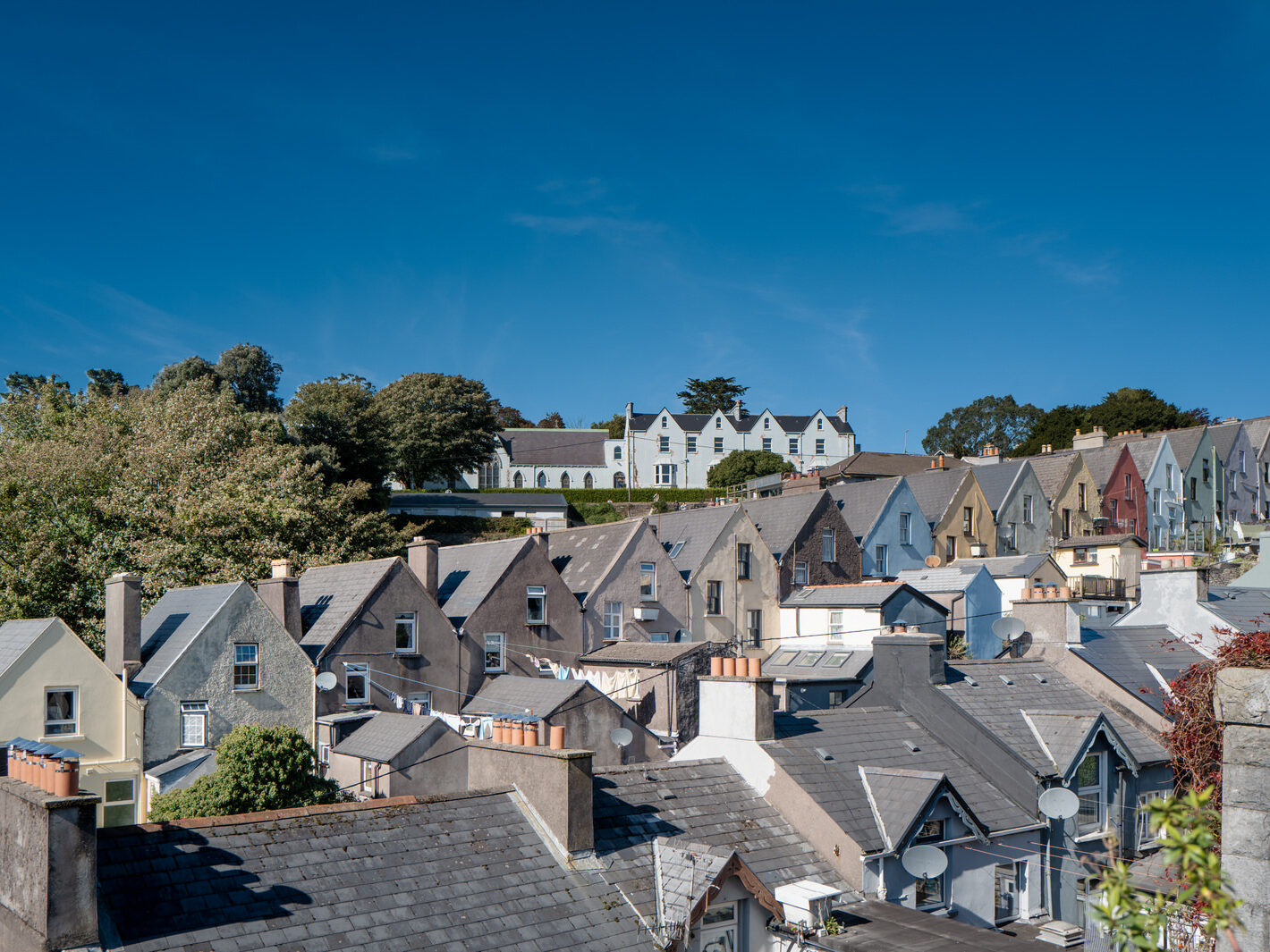
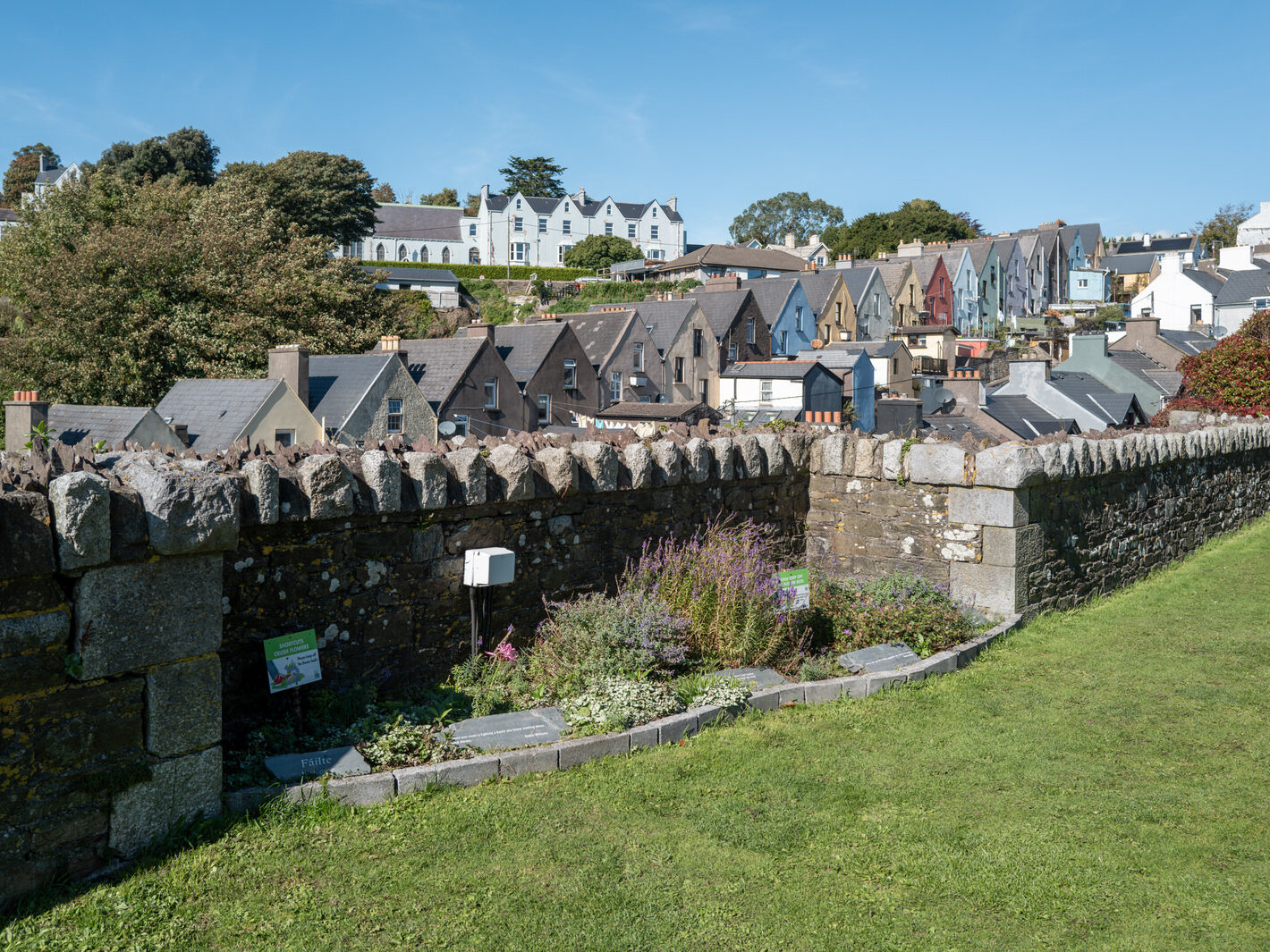
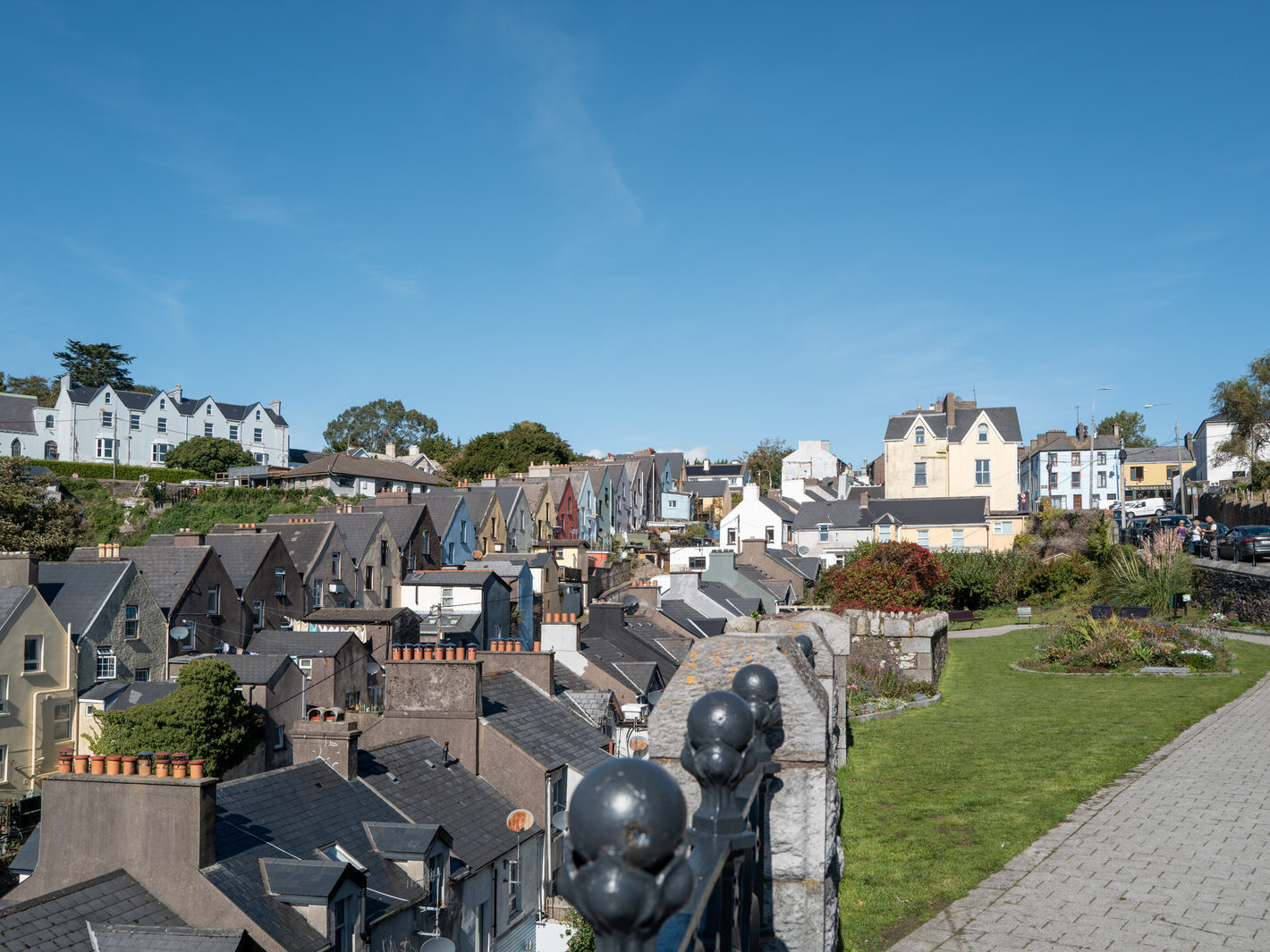
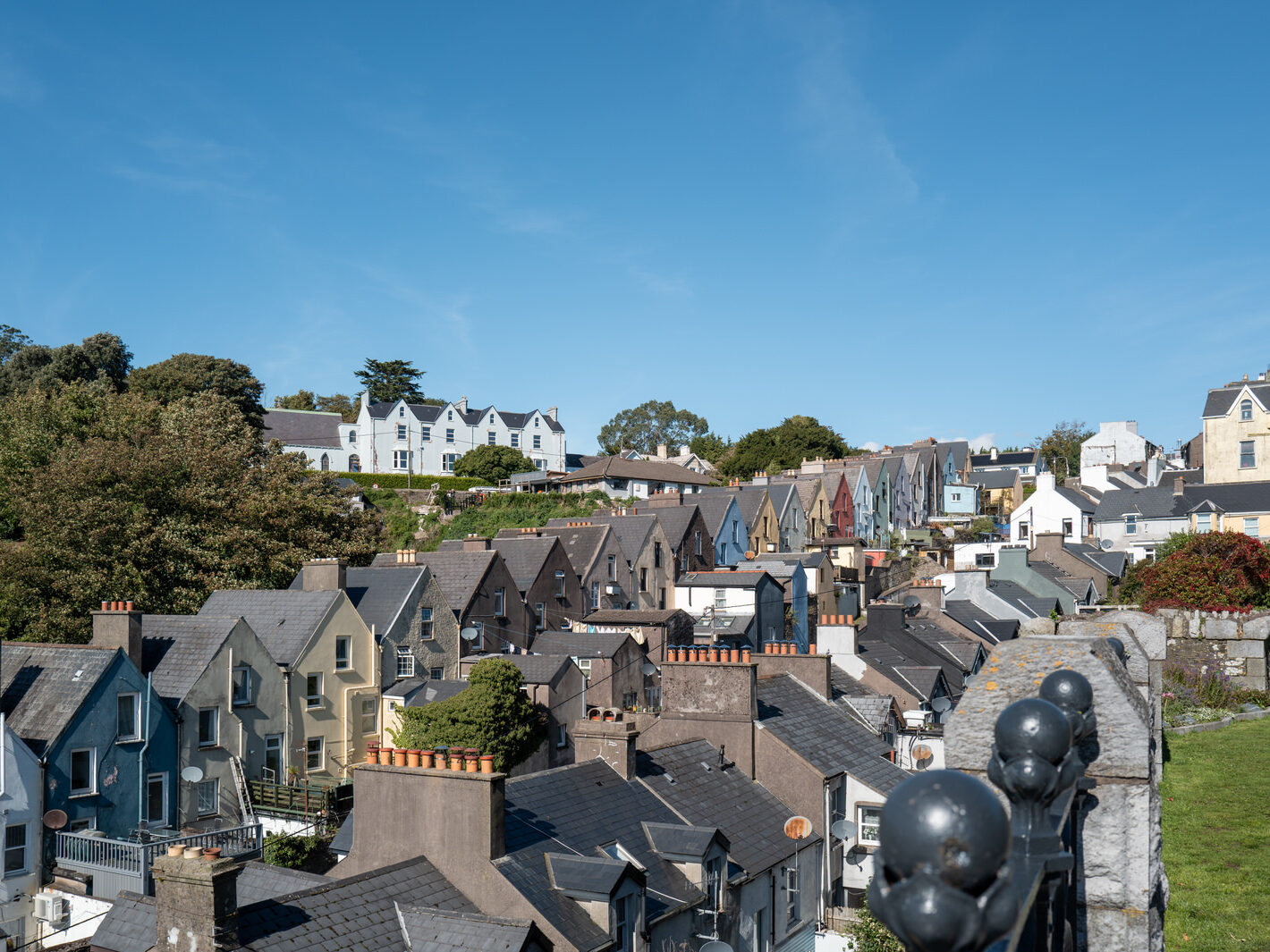
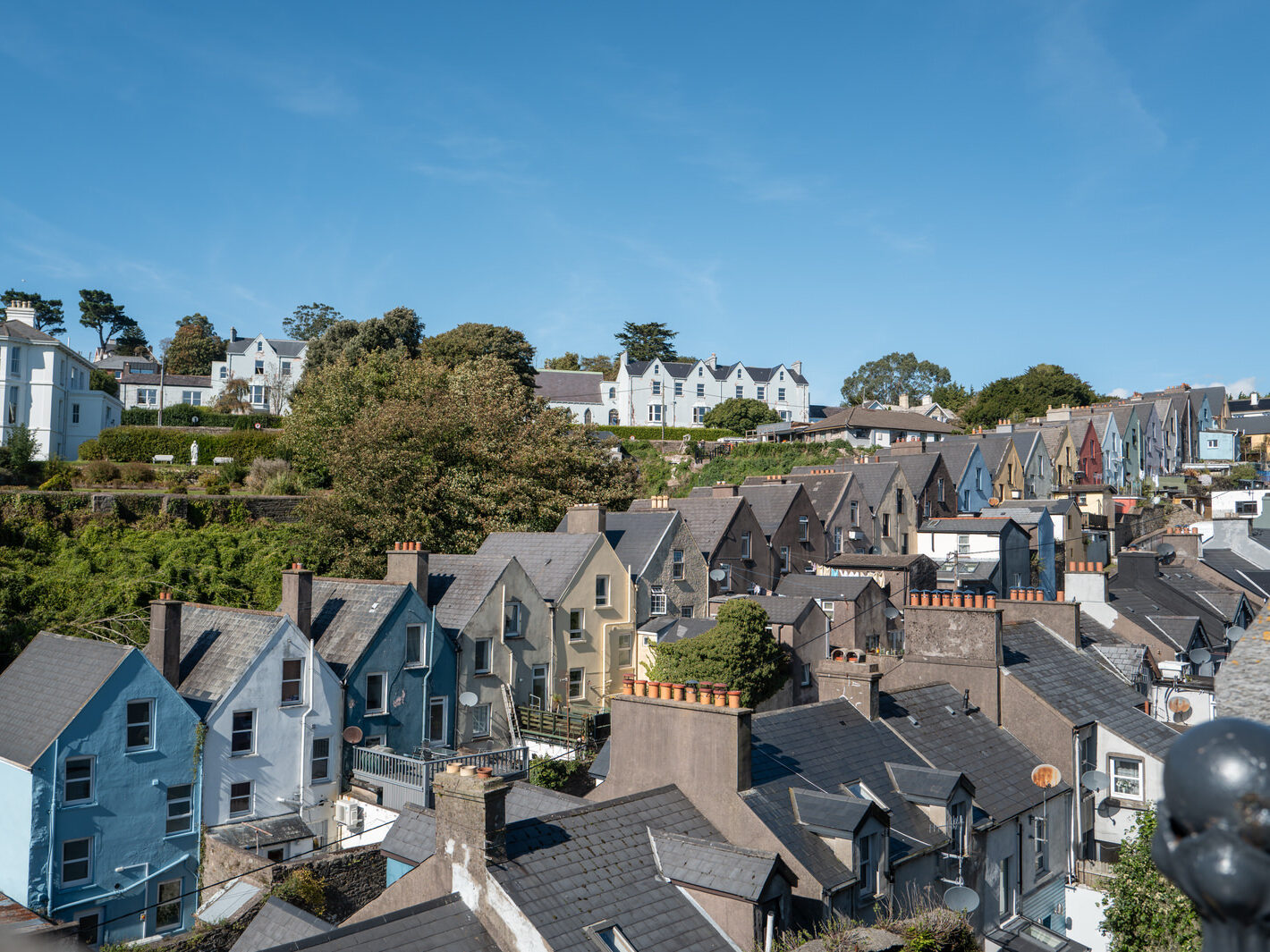
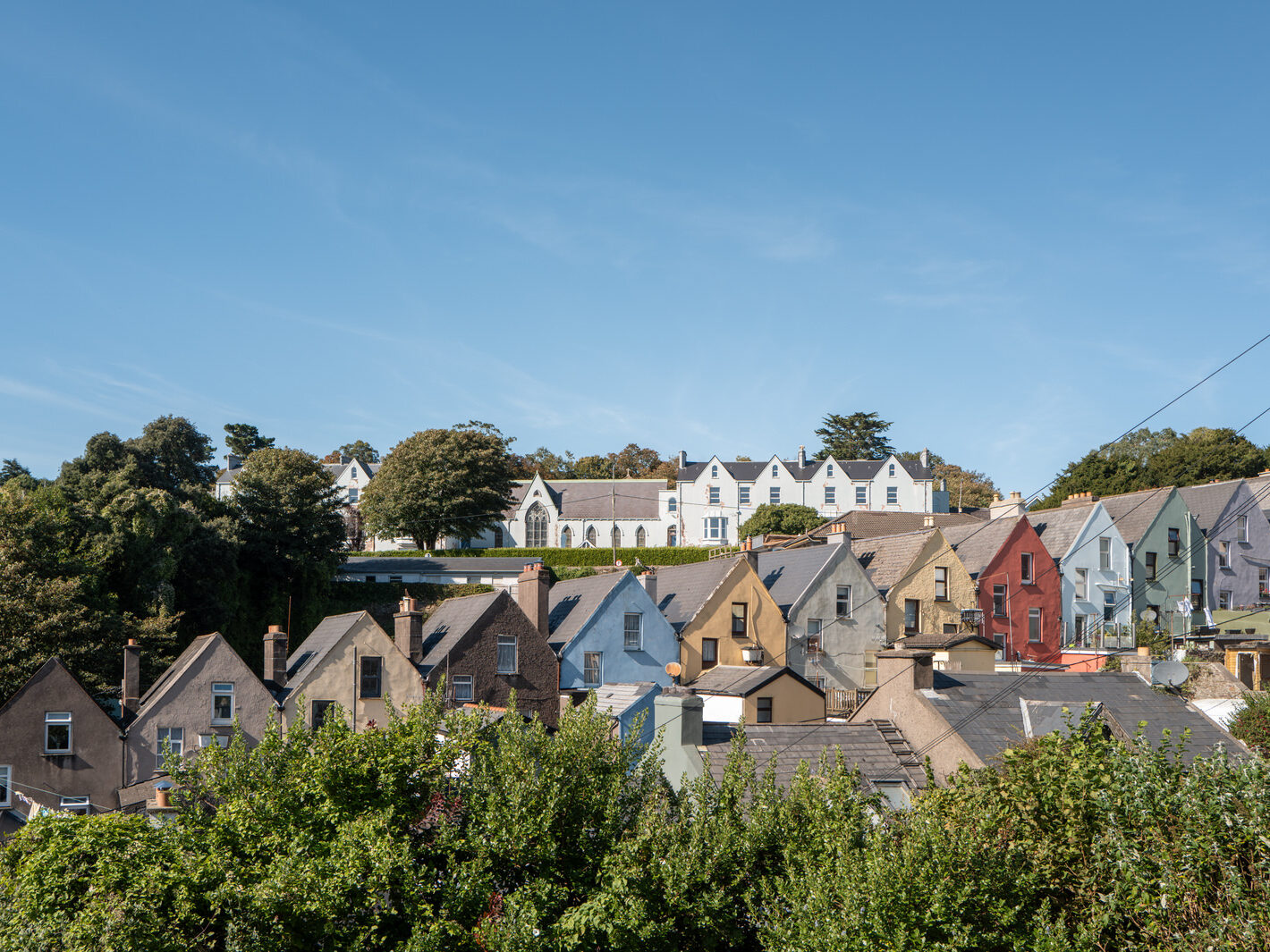
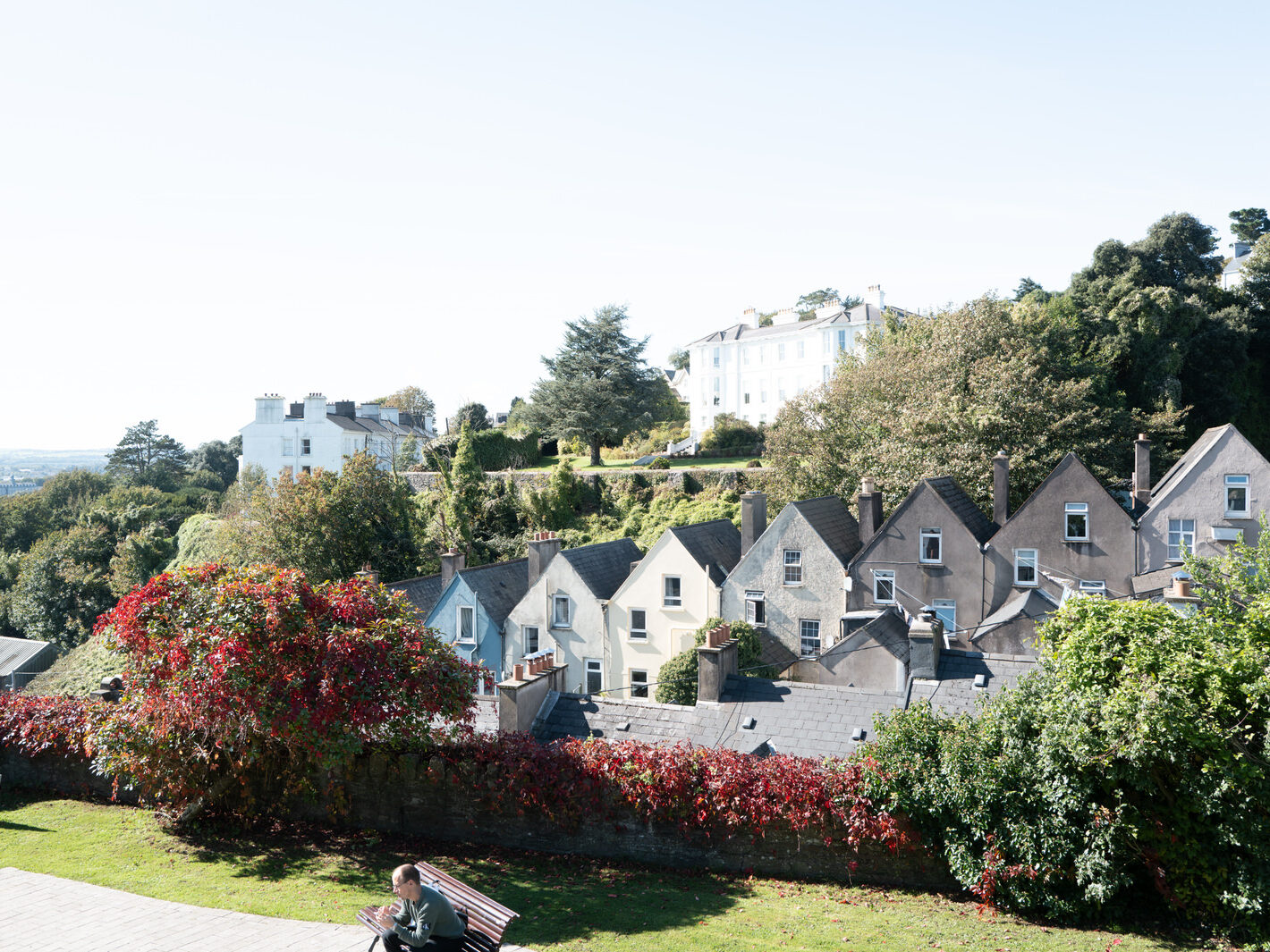
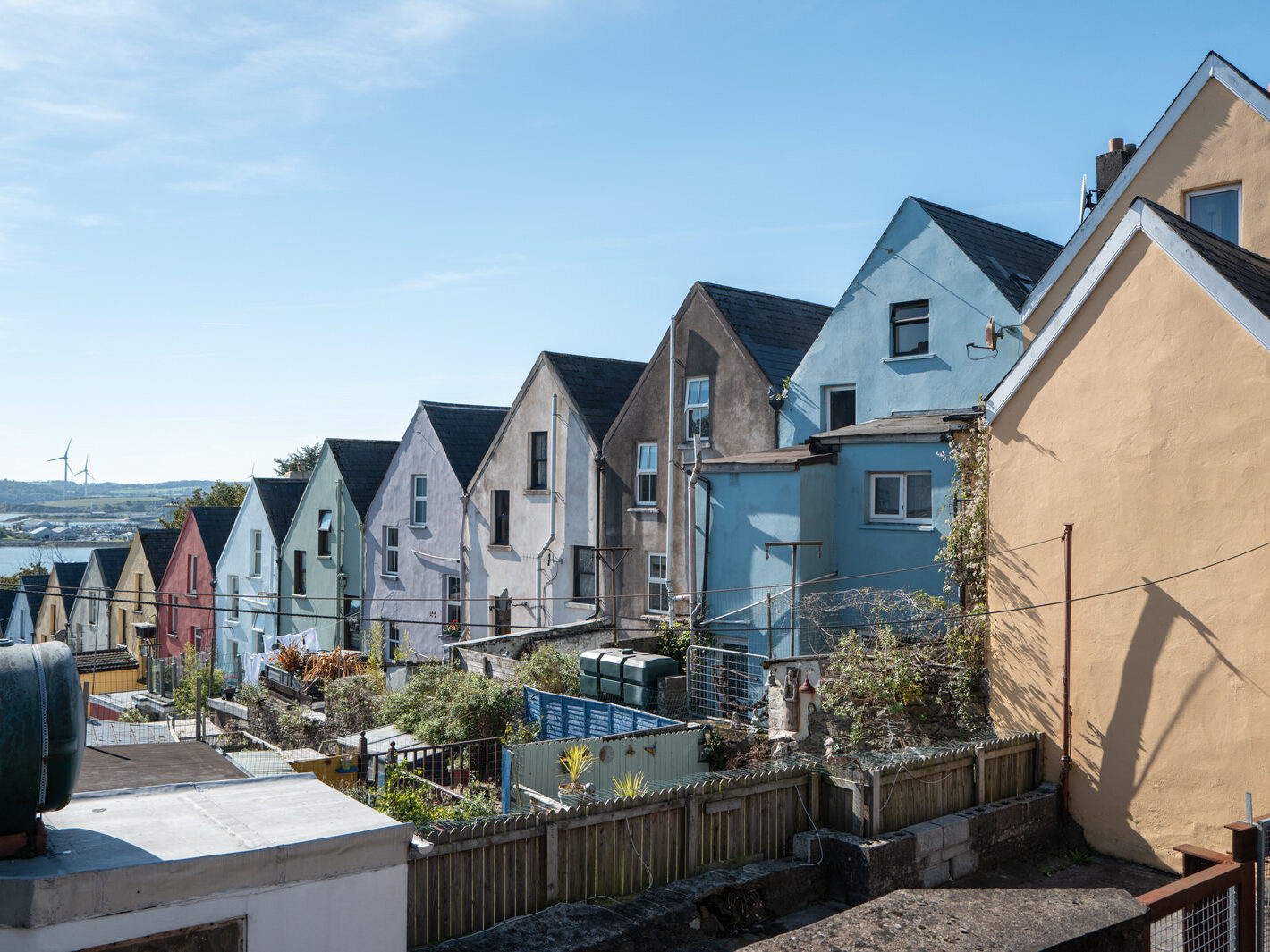
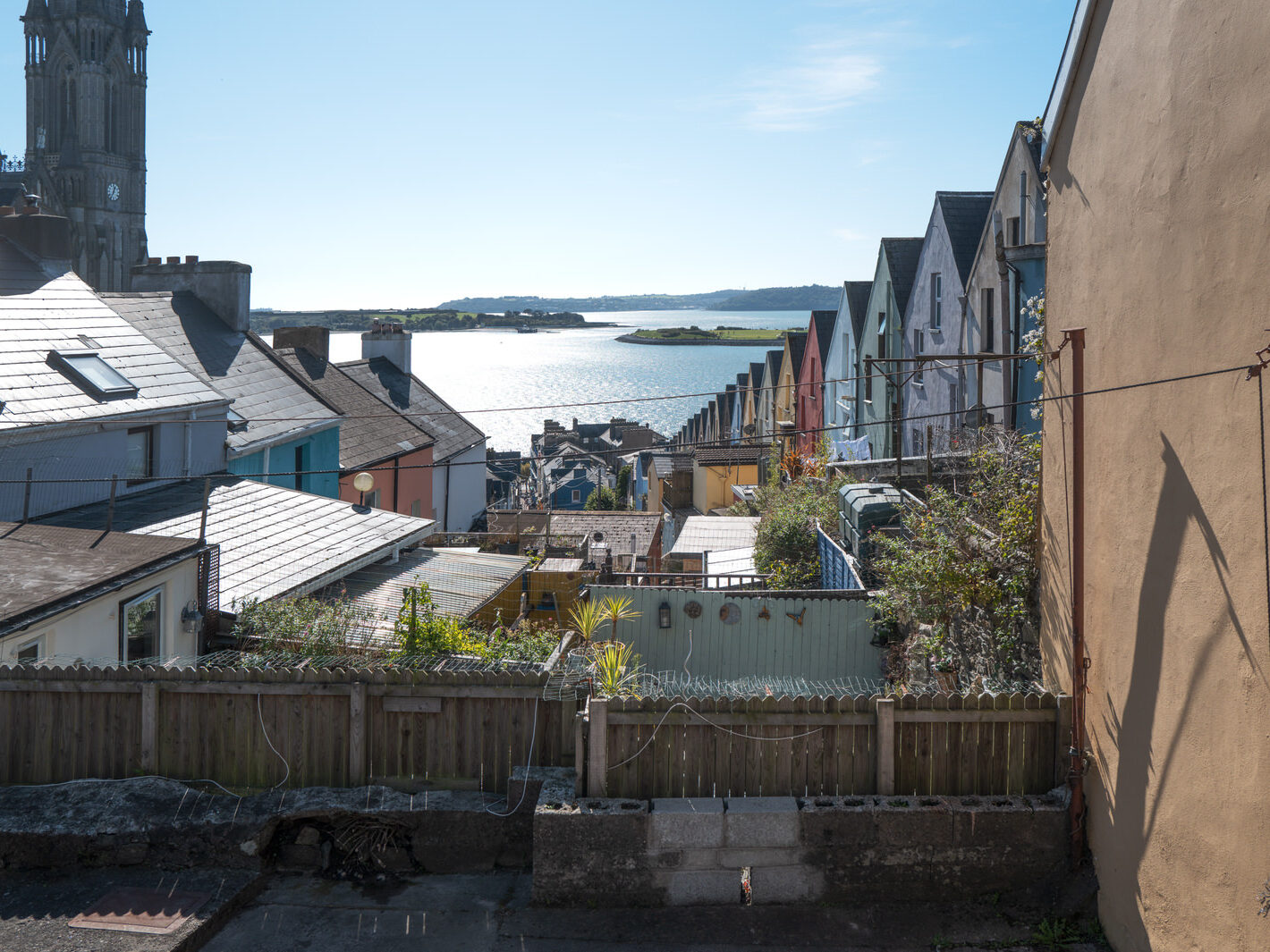
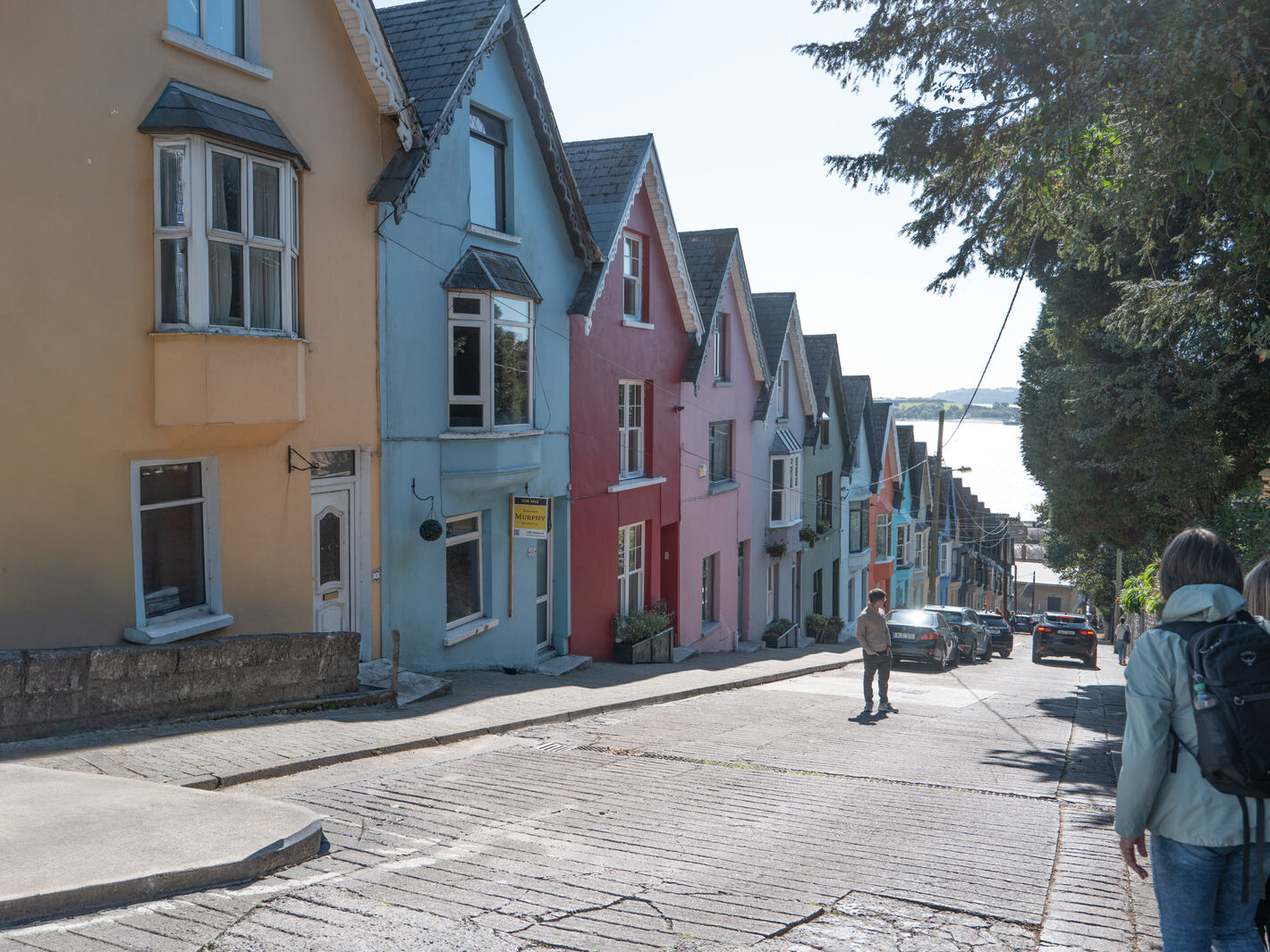
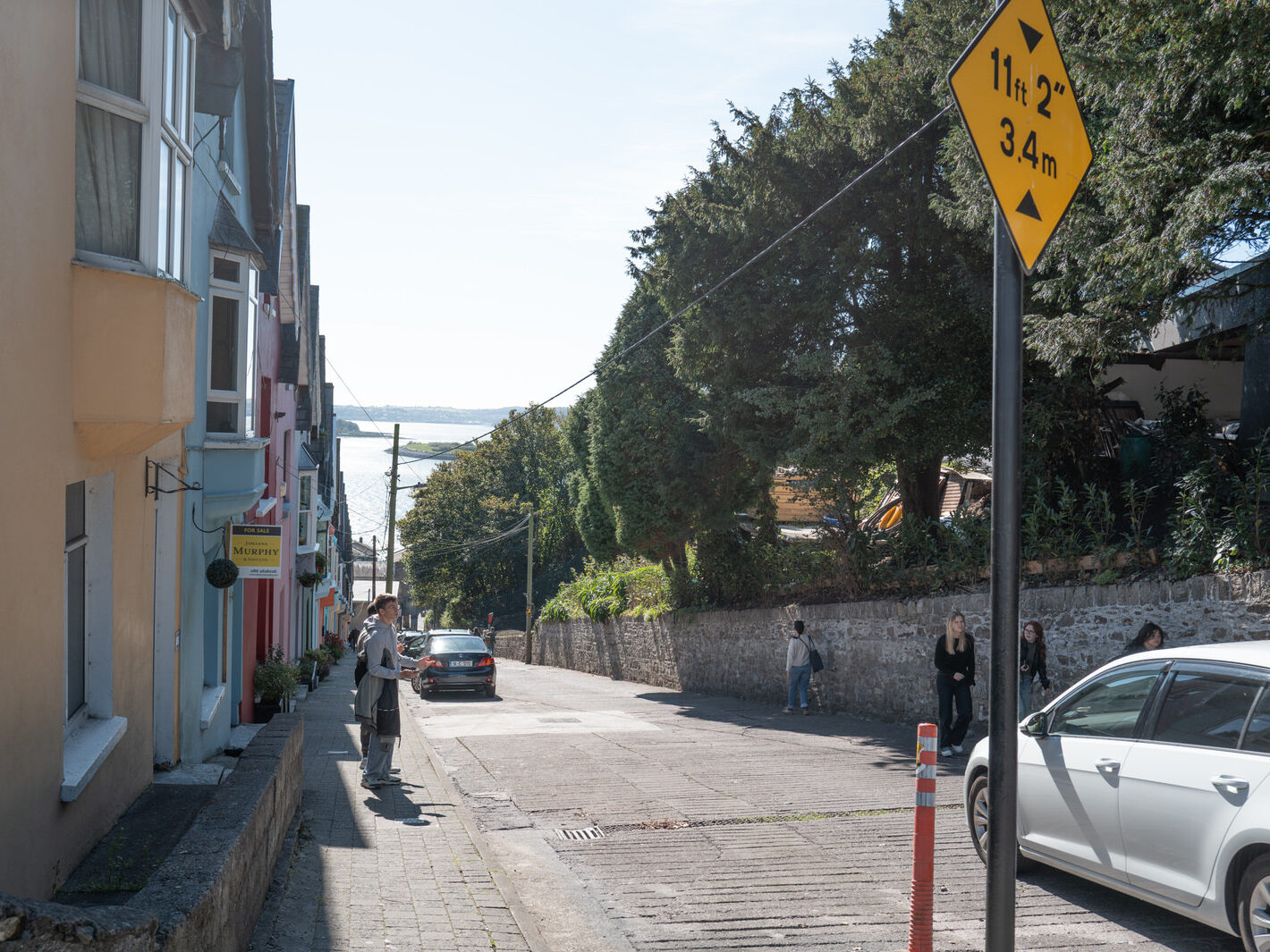
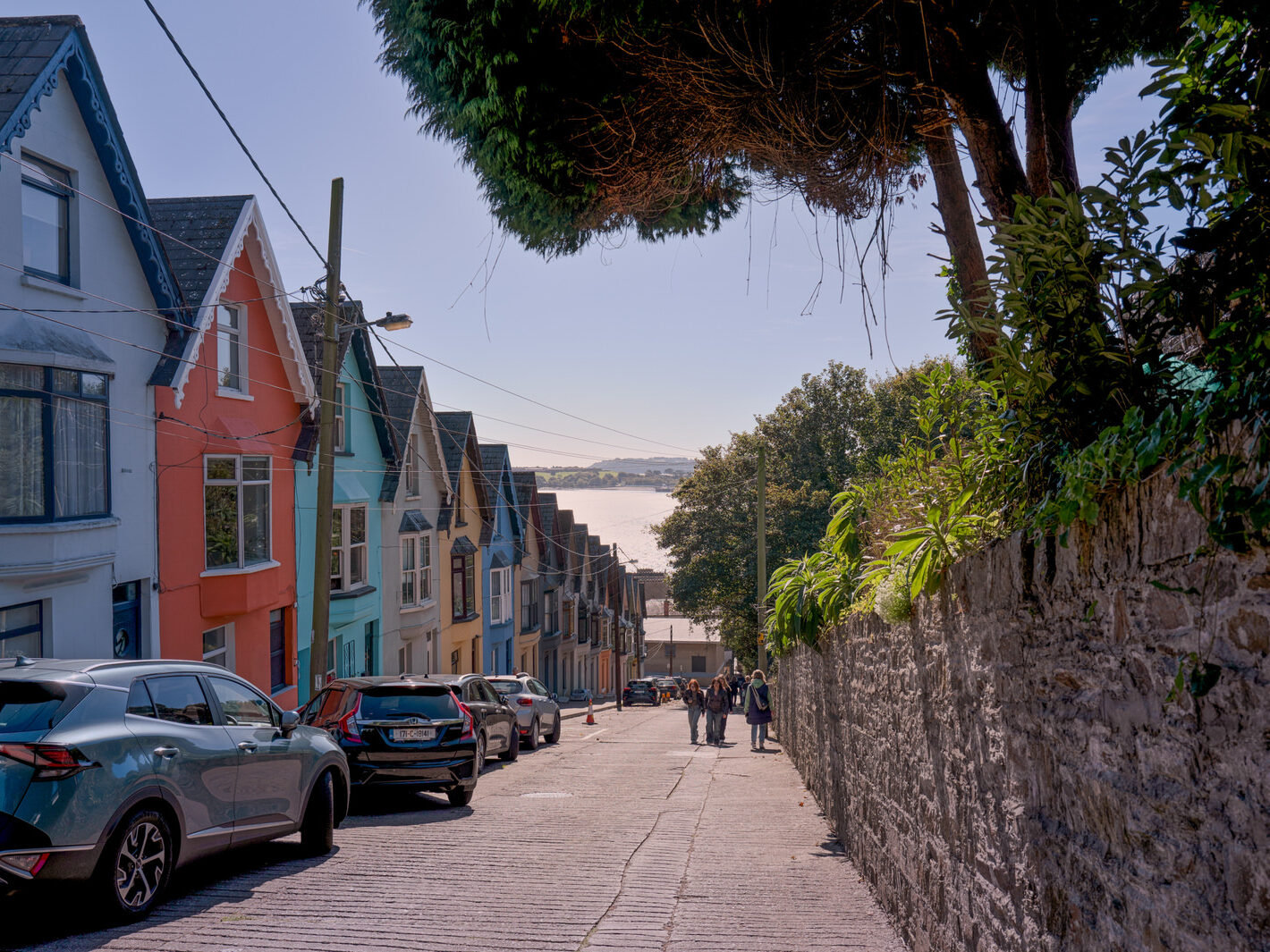
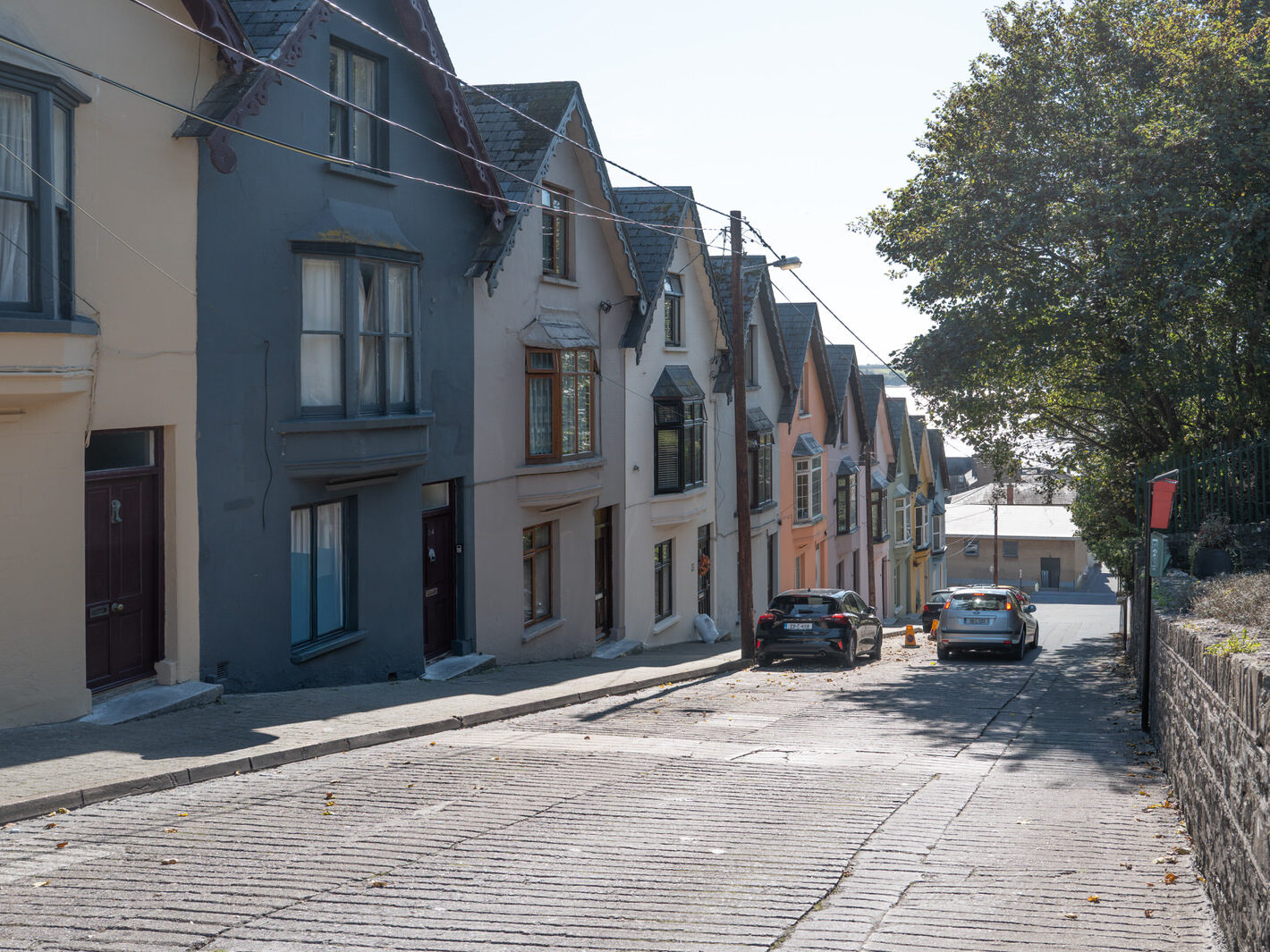
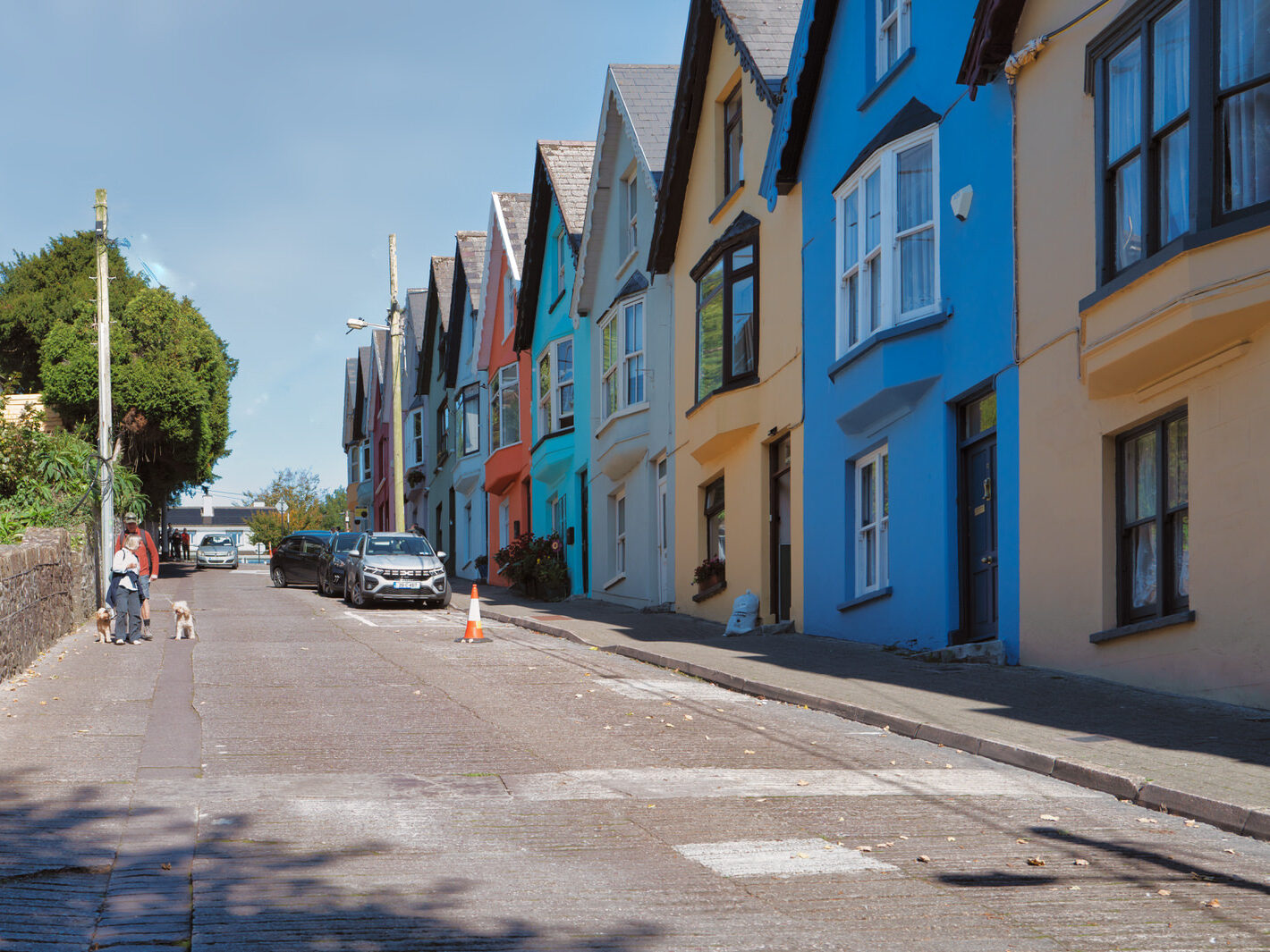
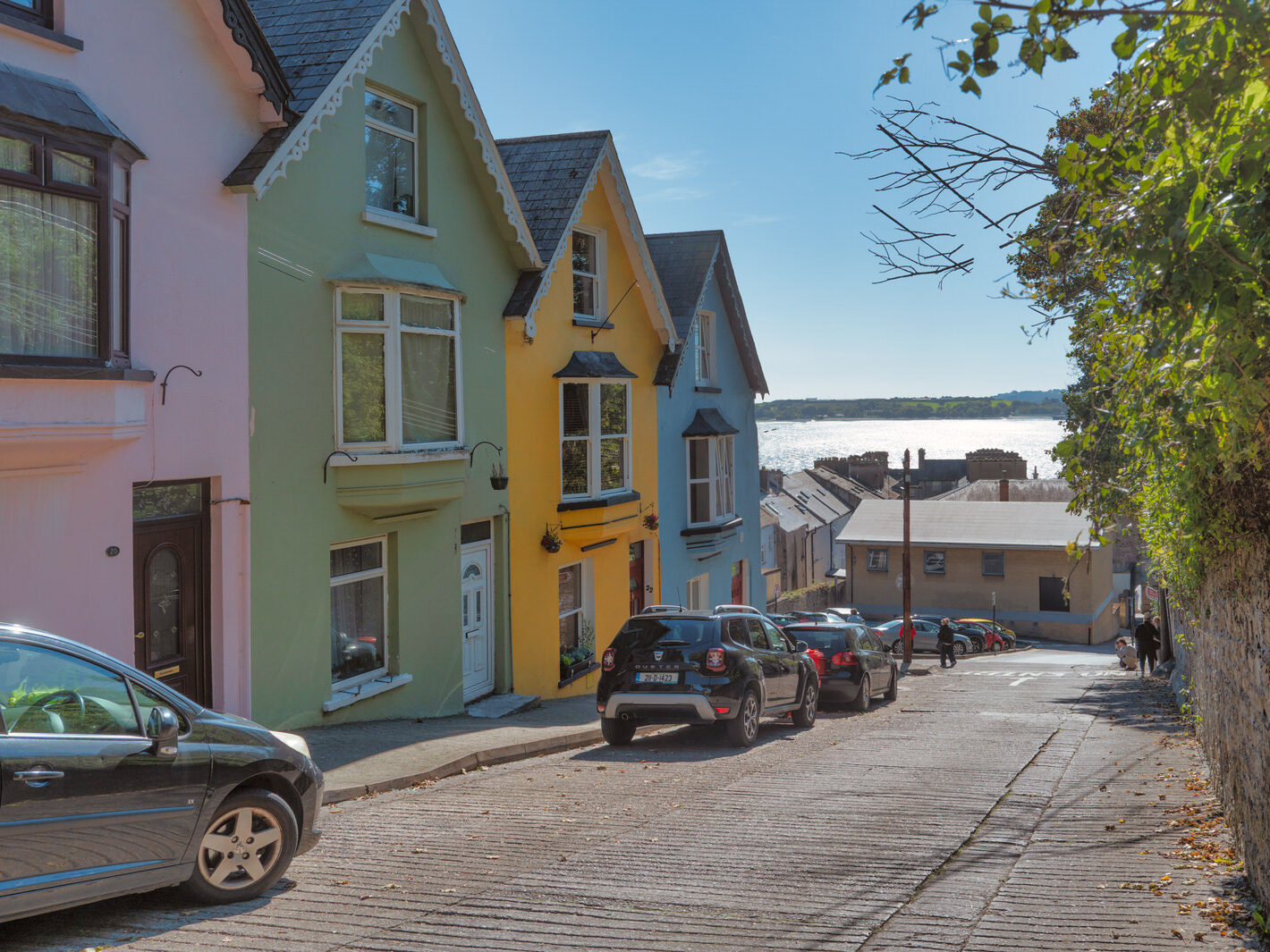
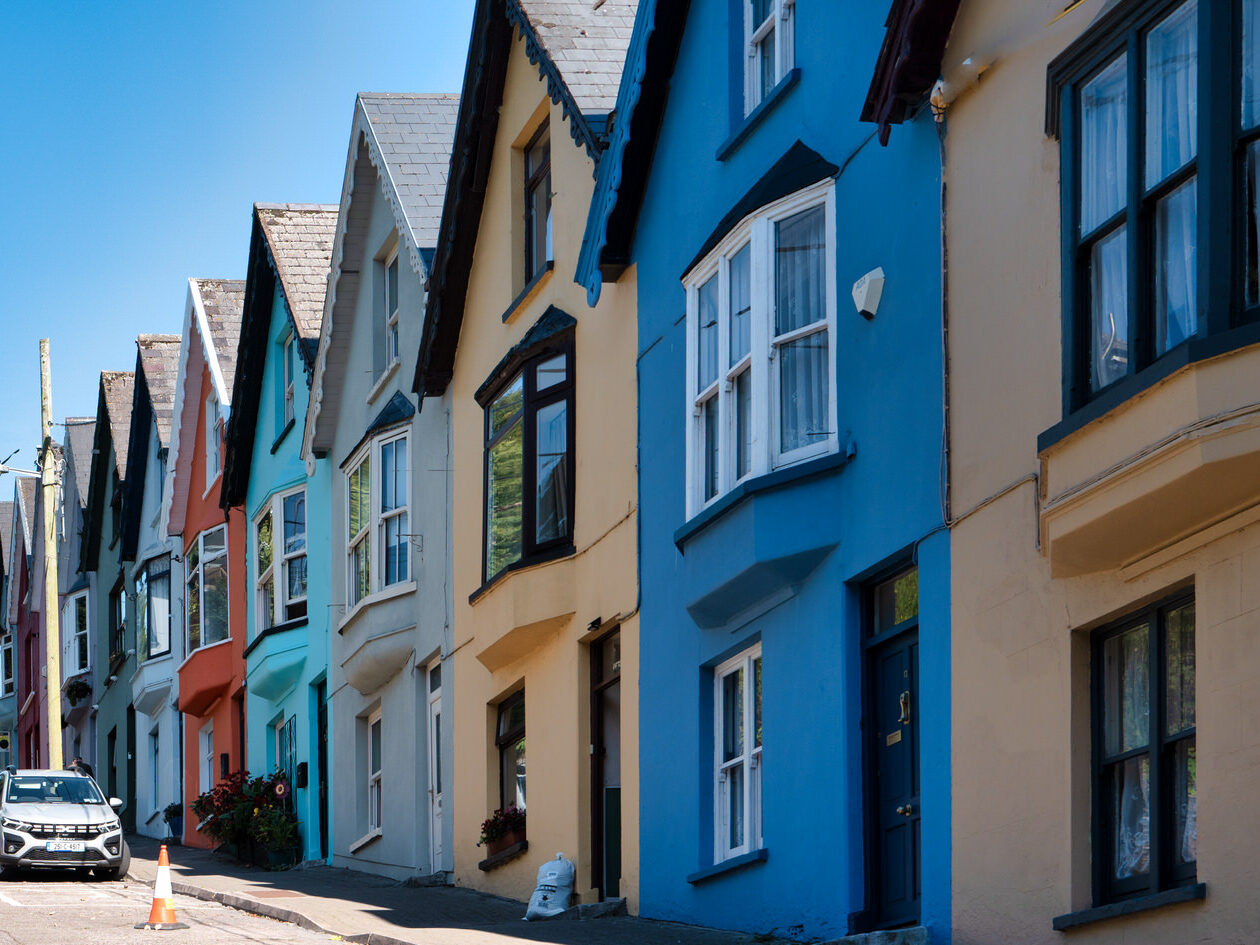
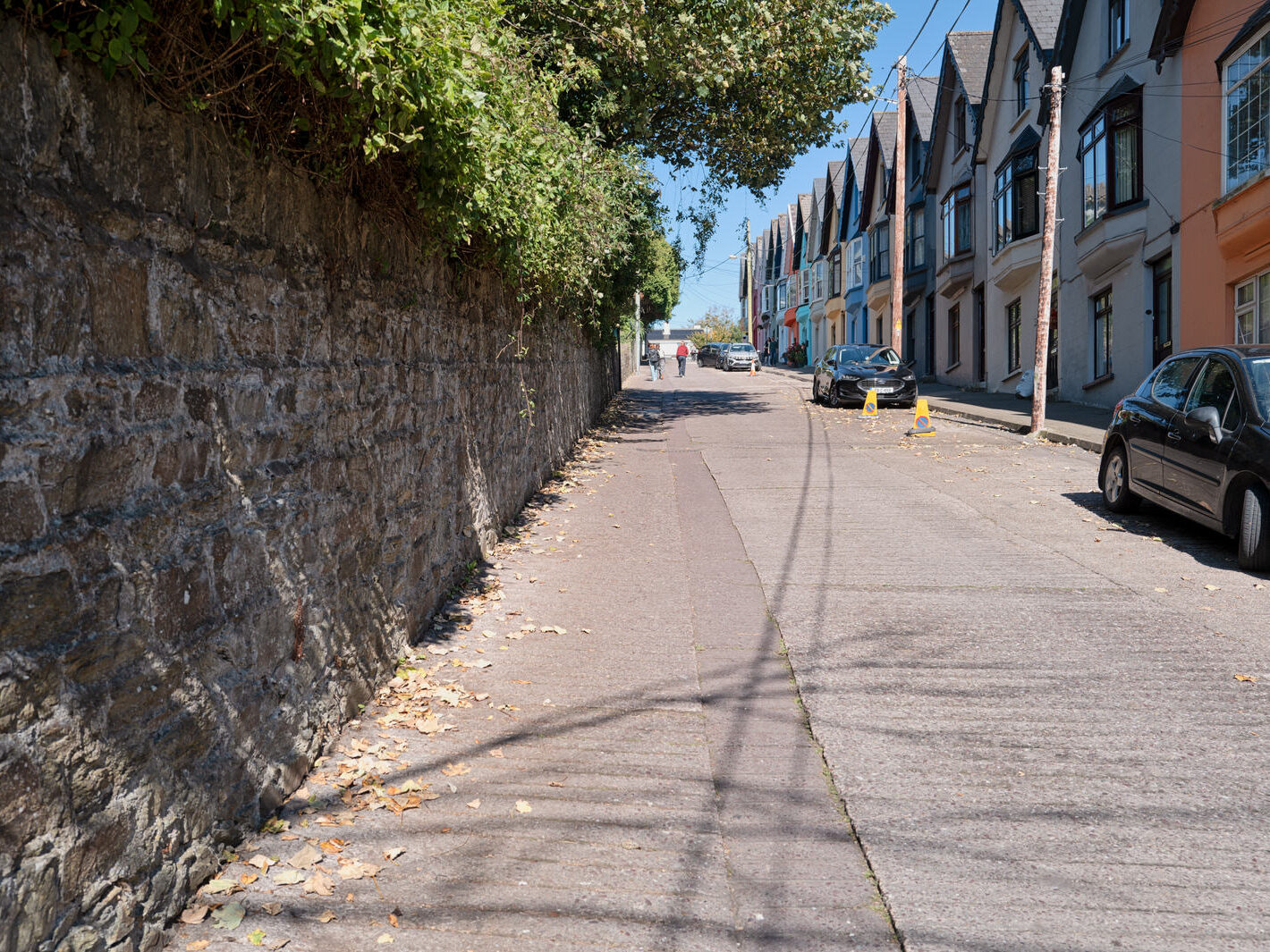
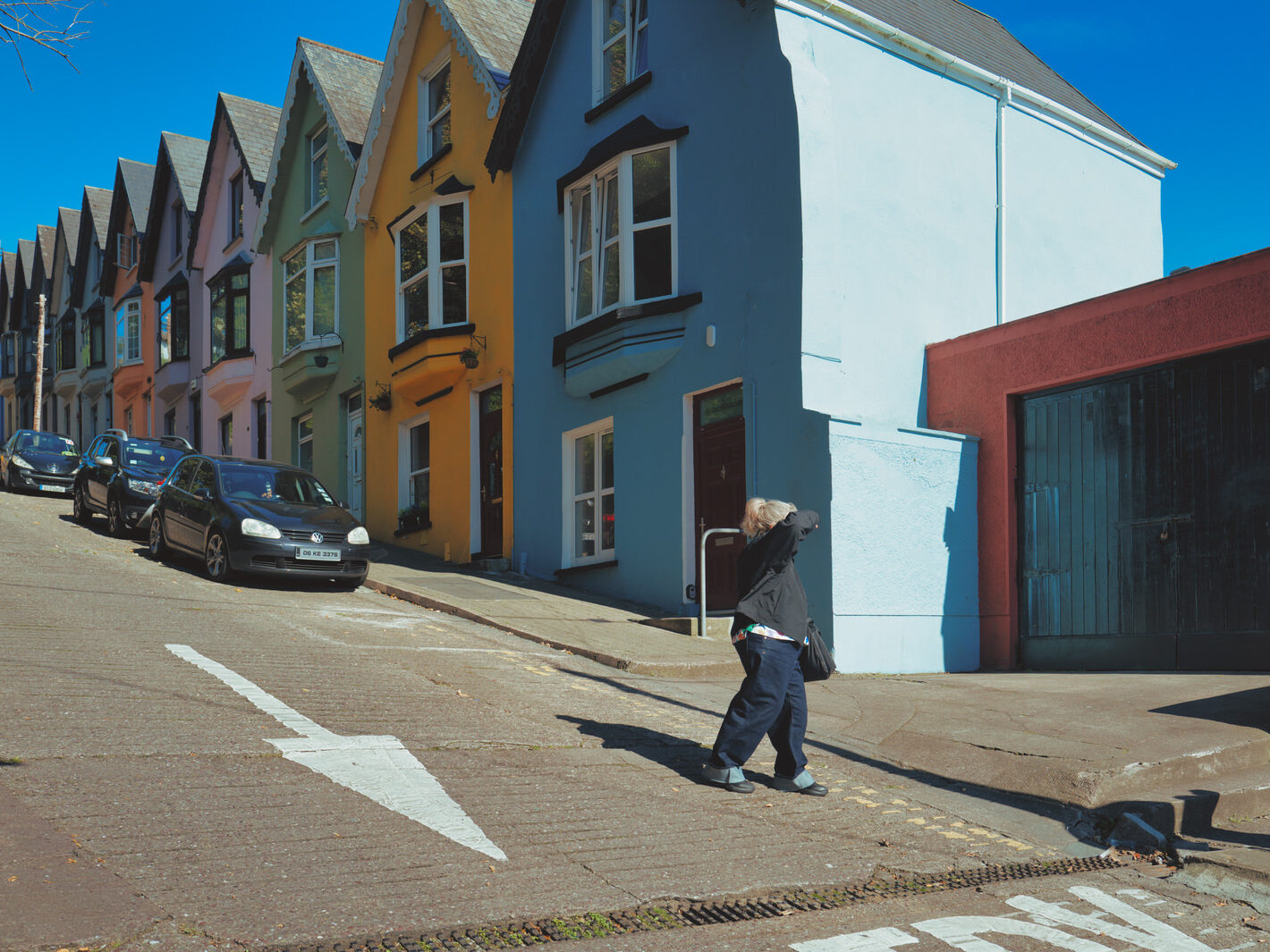
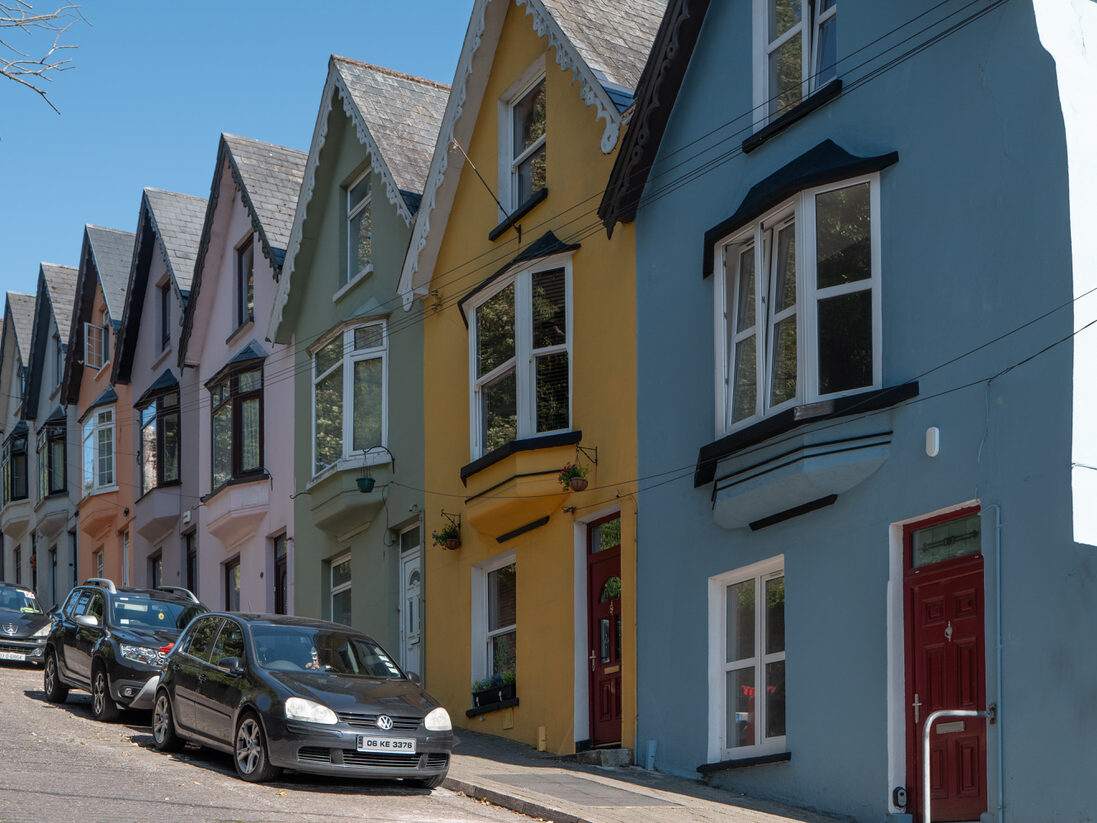
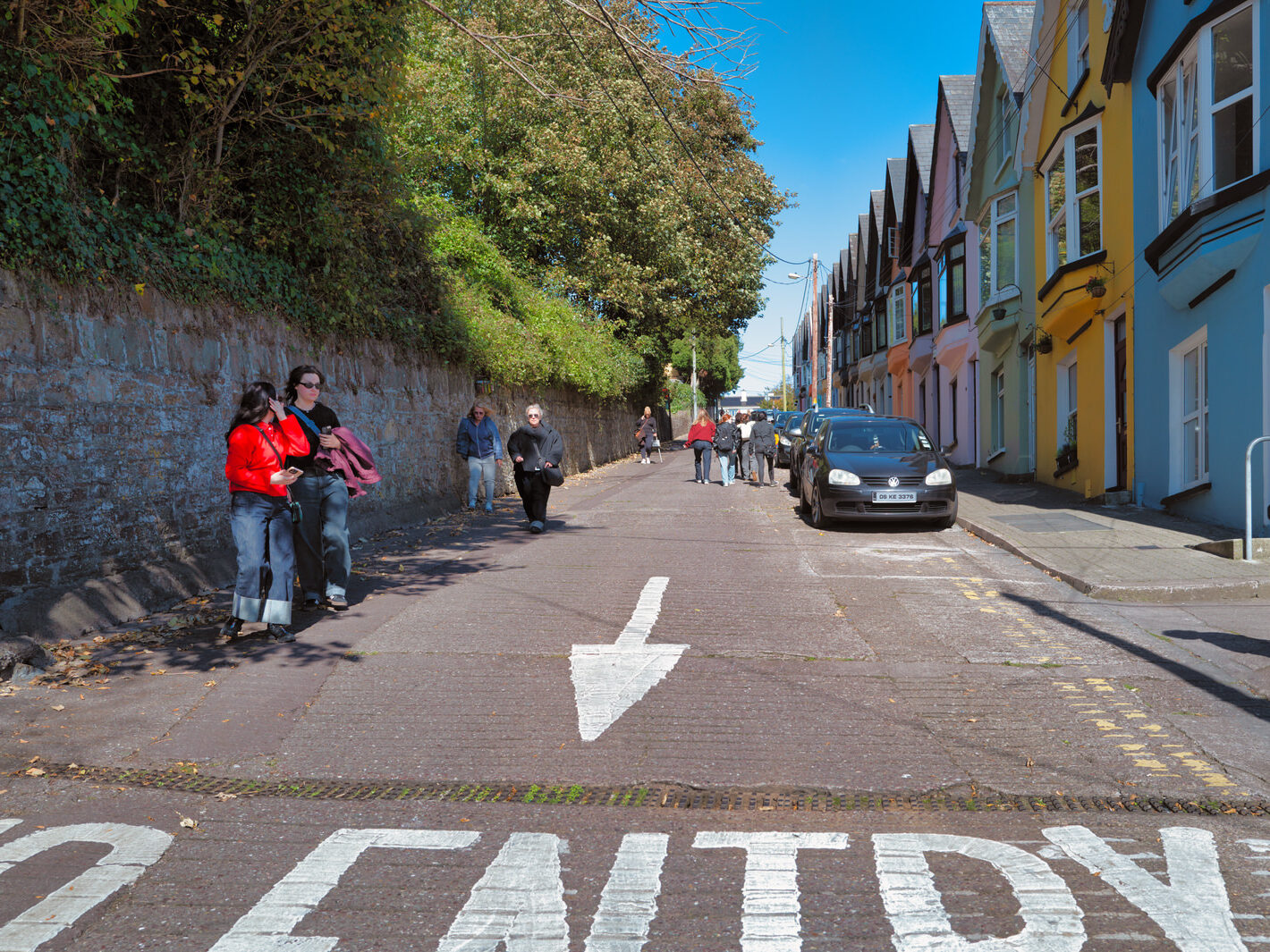
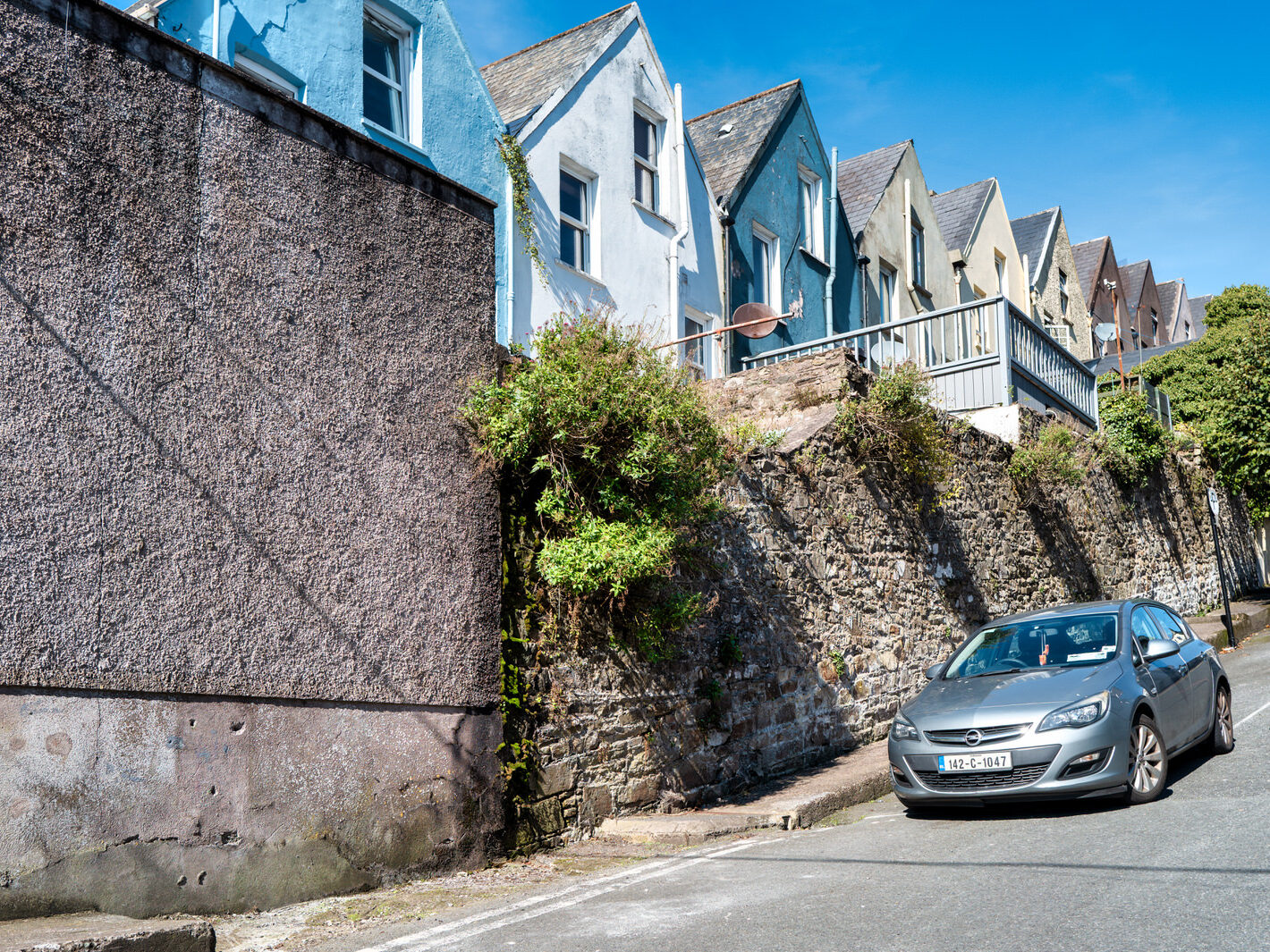
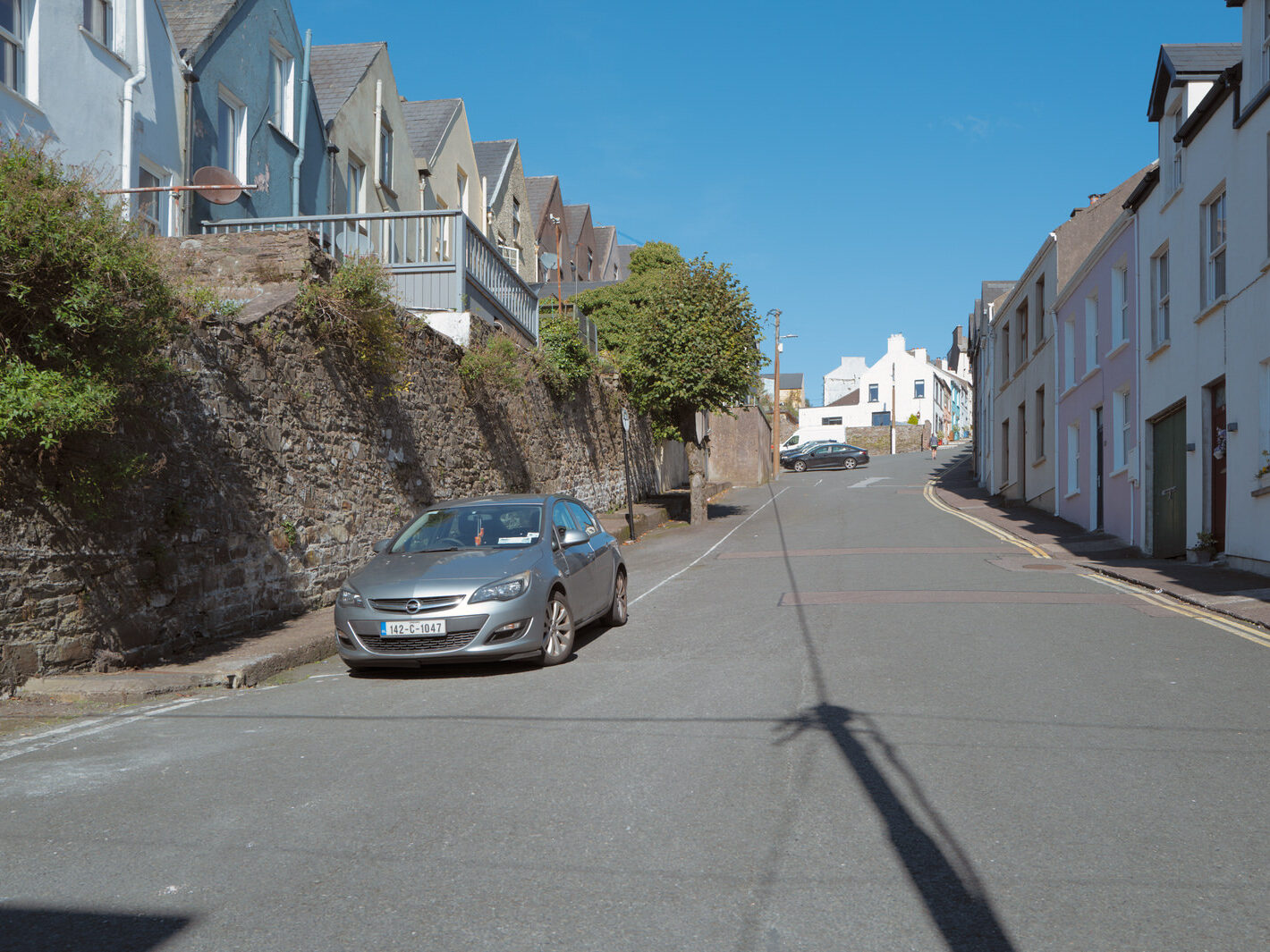
WEST VIEW IN COBH OR THE DECK OF CARDS IS A TOURIST ATTRACTION ON COBH [A ROW OF HOUSES ON A STEEP INCLINE]
West View, Cobh: The Story of Ireland’s ‘Deck of Cards’ Houses
Introduction: An Icon of Cobh’s Victorian Seascape
Perched on a precipitous incline in the historic harbour town of Cobh, County Cork, is a row of 23 gable-fronted houses that present one of the most memorable architectural vistas in Ireland. Known formally as West View Terrace, this cascade of homes, each stepped neatly above the other, is a spectacle of vibrant colour and Victorian flamboyance. Set against the soaring neo-Gothic grandeur of St Colman’s Cathedral, the composition creates an almost storybook-like scene, a visual signature for the town that has graced countless postcards and millions of social media posts.
The terrace is known almost universally by its affectionate moniker, the ‘Deck of Cards’. This name originates from a piece of local wit that perfectly captures the houses’ precarious beauty: the joke being that if the bottom house were to fall, the rest would tumble in sequence, collapsing like a house of cards. This simple, evocative nickname has become a powerful narrative hook, encapsulating the unique character of the street and helping to cement its place in the popular imagination.
Once a local curiosity, the Deck of Cards has transformed into a nationally recognised landmark and, more recently, a global phenomenon. The rise of digital photography and social media platforms like Instagram has amplified its fame, turning the street into a must-visit destination for tourists and photographers from around the world. The view from West View Park across the street, framing the colourful facades with the cathedral spire piercing the sky, has become an iconic, almost obligatory, image of a visit to the south of Ireland.
This report seeks to look beyond the picturesque facade. It will provide a definitive account of West View Terrace, moving from its origins in the boom years of a Victorian port town to its current status as a celebrated, and sometimes contentious, tourist attraction. By examining its architectural provenance, the engineering challenges of its construction, the social history of its residents, the evolution of its famous colour scheme, and the complex relationship between this private street and the public gaze it now commands, a more complete and nuanced story of the Deck of Cards emerges.
Chapter 1: The Genesis of West View Terrace – Design and Construction in a Booming Port Town
The creation of West View Terrace in the 1850s was not an isolated act of architectural whimsy but a direct response to the specific historical, economic, and strategic conditions of its time. The houses are a product of Cobh’s mid-19th-century zenith, a period when the town, then known as Queenstown, was a vital node in the British Empire’s global network. Understanding this context is essential to appreciating the purpose, design, and technical ambition of this remarkable terrace.
1.1 Queenstown in the 1850s: A Strategic Imperial Hub
In the mid-19th century, the town of Cobh underwent a profound transformation. Its name was officially changed from ‘Cove’ to ‘Queenstown’ in 1849 to commemorate a visit by Queen Victoria, a symbolic act that underscored its importance to the British Crown. This period saw rapid development, building on the town’s strategic significance established during the Napoleonic Wars. Its location within Cork Harbour, the world’s second-largest natural harbour, made it an indispensable tactical centre for the British naval fleet, with its headquarters on the adjacent Haulbowline Island. This sustained military presence fuelled a construction boom, and many of the town’s most prominent buildings date from this era of imperial build-up.
Simultaneously, Queenstown became the single most important port of emigration in Ireland. Between 1848 and 1950, it was the departure point for 2.5 million of the six million Irish people who emigrated to North America. This constant flow of people, combined with its naval and maritime trade functions, created a bustling, cosmopolitan port town. This expansion created a pressing demand for high-quality housing to accommodate the growing professional and administrative classes, including the naval officers and revenue officials who managed this critical imperial outpost. The construction of West View Terrace in the 1850s was a direct answer to this demand, providing purpose-built, modern homes for the professionals who were the backbone of Queenstown’s administration.
1.2 Architectural Provenance: The Unanswered Question of the Architect
Multiple sources confirm that West View Terrace was constructed in the 1850s, a detail consistent with the town’s period of rapid Victorian expansion. The National Inventory of Architectural Heritage (NIAH) dates the terrace to circa 1850, describing it as reflecting “the flamboyance of the town’s Victorian architecture”. Despite this clear timeline, the identity of the architect or builder remains elusive, a notable absence in the historical record for such a prominent structure.
One holiday rental listing makes the romantic claim that the houses were “designed by Queen Victoria’s Architect”. While appealing, this assertion does not stand up to scrutiny. An examination of the careers of architects closely associated with the Queen and the Royal Household during the 1850s, such as Sir James Pennethorne and Edward Blore, reveals their work was overwhelmingly concentrated on major public buildings, royal palaces, and country estates in England. Detailed listings of their works show no projects in Cobh or, indeed, County Cork. Similarly, the prolific Scottish architect William Burn, who undertook several significant commissions in Ireland, has no recorded work in the area.
The development of Queenstown’s streetscape during this period was influenced by prominent figures, including the English architect Decimus Burton, who was engaged by Viscount Midleton in the 1840s to improve the town, and the Cork architect Alexander Deane, who designed the Town Hall and Market House in 1851-2. However, no source directly connects either of these architects to the West View Terrace project. The most telling evidence is the silence of official records. Neither the NIAH nor Cork County Council’s heritage documents name a designer. Had a nationally renowned architect been involved, it is highly probable that their name would have been recorded.
The conclusion, therefore, is that the houses were likely the work of a highly competent but regionally-focused architect or a skilled local builder-developer. They may have been working from a pattern book—a common practice at the time—or under a direct contract for the Admiralty to house its officers. The significance of the terrace lies not in the fame of its creator but in the sophisticated and successful architectural response to a uniquely challenging site. The “royal architect” story appears to be a modern fiction, a piece of marketing lore that, while charming, obscures a more practical and locally rooted origin.
1.3 Engineering on an Incline: The Challenge of the Hill
The defining characteristic of West View Terrace is its dramatic setting on a “steeply sloped street”. This topography presented a formidable engineering challenge that required a specialised construction approach. The NIAH explicitly notes the terrace’s “complex means of construction,” with each individual house meticulously following the gradient of the hill.
To achieve this, the builders would have employed techniques common in 19th-century hillside construction. The most probable method was a form of “cut and fill,” where the slope was excavated to create a series of level platforms, or steps, upon which each house could be built. The material cut from the upper part of a plot would be used to build up the lower part, creating a stable, flat base for the foundation. The foundations themselves would have been stepped, following the contour of the hill to distribute the structural load evenly and anchor the buildings securely into the slope. This careful terracing is the reason for the distinctive, cascading appearance of the rooflines.
The choice of a terraced house format was not merely stylistic but also structural. In a terrace, each house provides essential lateral support to its neighbours, creating a single, more stable structural unit. This mutual reinforcement is particularly crucial on an inclined site, where gravitational and soil pressures are more complex. The local joke about the houses falling like a deck of cards is an intuitive, if exaggerated, folk understanding of this very real structural interdependence.
The construction also benefited from the technological advances of the era. The arrival of the railways across Britain and Ireland revolutionised the transport of building materials. While the railway line to Cobh was completed in 1862, just after the houses were built, materials like Welsh slate for the roofs—superior to local tiles—were becoming widely and affordably available for the first time, enabling a higher quality of construction. The result is a terrace that is a testament to the skill and ingenuity of its Victorian builders, who turned a challenging topographical constraint into a unique and enduring architectural statement.
Chapter 2: The Social Fabric of West View – Residents and Status
The social identity of West View Terrace has been shaped by its occupants, from the naval officers of the British Empire for whom it was built to the modern-day homeowners and holidaymakers who reside there. Tracing this history reveals the houses’ consistent status as desirable, middle-class residences and clarifies their position within the contemporary property market, addressing whether they are considered “upmarket” or social housing.
2.1 Original Occupants: Housing for the Admiralty’s Officers
The original purpose of West View Terrace definitively establishes its initial social standing. The houses were constructed in 1850 specifically for naval officers based in the bustling port of Queenstown. This function immediately places them within the realm of high-quality, professional middle-class housing. They were not aristocratic mansions, but neither were they working-class tenements or cottages. They were purpose-built homes for the administrative and military elite of what was then a key naval base in the British Empire.
In the context of mid-19th-century Ireland, where the land system was dominated by large estates and the majority of the population were tenant farmers with little security, the secure tenancy or ownership of such a modern, well-appointed house was a significant marker of social and economic status. The residents of West View were part of a privileged class of salaried professionals, distinct from both the landed gentry and the labouring masses. This origin firmly refutes any suggestion that the houses were ever intended as social or low-cost housing.
2.2 A Century of Private Life: From Naval Quarters to Family Homes
Following the departure of the British military after the establishment of the Irish Free State in 1922, the houses on West View Terrace transitioned from their original function as naval quarters into private family homes. For much of the 20th century, they were simply a quiet residential street, their unique architecture a notable but primarily local feature.
In recent decades, the street has developed a dual identity. While many of the houses remain permanent private residences, their growing fame has made them highly sought-after for short-term holiday lets. Several of the properties are now available for rent on platforms such as Airbnb and Vrbo, offering tourists the chance to stay within one of Cobh’s most famous landmarks. This dual function as both private homes and tourist accommodation is central to the modern story of the street, placing it at the intersection of local life and the global tourism industry.
2.3 Market Value and Status: An Analysis of a Landmark Street
The question of whether the Deck of Cards houses are “upmarket” today requires a nuanced answer that distinguishes between financial value and cultural capital. An analysis of recent property sales provides a clear picture of their standing in the Cobh real estate market. Recent sales data shows:
8 West View: Sold for €235,000 on 4 November 2022.
19 West View: Sold for €300,000 on 9 March 2022.
23 West View: Sold for €190,000 on 17 October 2023.
As these sales figures indicate, houses on West View have recently sold for prices ranging from €190,000 to €300,000. In 2022, No. 23 was brought to market with an asking price of €225,000, while a separate listing for No. 2 gave a guide price of €255,000. When compared to the broader Cobh property market, where detached and larger period homes regularly sell for prices between €400,000 and over €1 million, it is clear that the Deck of Cards houses do not fall into the “upmarket” or luxury category based on their sale price alone.
However, this financial valuation tells only part of the story. The cultural capital of these houses is immense. They are described in official documents and tourism literature as “iconic” and a “symbol of Cobh”. They are one of the most photographed residential streets in the entire country, a status that gives them a value far exceeding their physical structure or square footage. This high cultural value translates directly into commercial potential through the tourism sector. As holiday lets, they are marketed not just as accommodation but as a unique historical experience, allowing them to command premium rental rates.
This reveals a fascinating divergence between different forms of value. While not “upmarket” in the traditional real estate sense, the houses are “premium” in terms of their cultural significance and tourist appeal. Their fame, driven by media and tourism, has created a form of capital that is distinct from, and in some ways greater than, their market price. They occupy a unique socio-economic niche: historically significant, culturally invaluable, and financially accessible middle-class homes that happen to be world-famous.
Chapter 3: A Spectrum of Colour – The Evolution of an Image
The most striking feature of the Deck of Cards today is its vibrant, multi-coloured appearance. This “rainbow row” aesthetic is central to the houses’ modern identity and is the primary driver of their popularity as a photographic landmark. However, the question of whether this kaleidoscope of colour is a preserved historical feature or a more recent development is crucial to understanding the street’s evolution.
3.1 The “Rainbow Row”: A Modern Visual Identity
The houses on West View are universally described in contemporary accounts in terms of their bright and varied colours. They are referred to as “brightly colored” , “candy-colored” , “multi colored” , and possessing “vibrant hues”. This visual identity is so strong that it has invited comparisons to other famous colourful streets, most notably the “Painted Ladies” of San Francisco.
This colourful facade, set against the grey stone of St Colman’s Cathedral and the blue of the harbour, is the key element of their photogenic appeal. The houses are painted on all sides, meaning that even views from the rear, such as from Cannon O’Leary Place, retain the colourful character. This commitment to a multi-hued appearance underscores its importance to the street’s public image. It is this visual appeal, more than any other single factor, that has transformed West View from a simple residential street into a global tourist attraction.
3.2 Searching for the Original Palette: Evidence and Inference
While the current colour scheme is undeniable, there is no direct evidence to suggest that the houses were originally painted in this manner in the 1850s. An investigation into the available historical sources and the architectural norms of the period indicates that the “rainbow” effect is almost certainly a modern, 20th-century reinvention.
Firstly, the principles of Victorian terraced architecture, particularly for developments housing a professional class like naval officers, heavily favoured uniformity and classical order. The goal was to create a harmonious and dignified ensemble, not a collection of individualistic statements. Colour palettes of the era tended to be more sober and were often derived from natural materials, favouring stone colours, creams, deep reds, and dark greens. An intentionally non-uniform, brightly coloured scheme would have been highly anachronistic for a respectable mid-Victorian development.
Secondly, while extensive photographic archives of 19th and early 20th-century Queenstown exist, such as the Lawrence Collection, these are black and white and thus cannot definitively confirm the original colours. However, these early images do not show the sharp tonal contrasts one might expect from a street painted in a wide variety of different colours. The visual evidence, though indirect, is more consistent with a uniform or limited palette.
The rise of the houses’ fame as a “colourful” attraction appears to coincide with the post-war era of mass tourism and, critically, the proliferation of affordable colour photography. It is most plausible that the trend began with individual homeowners choosing to paint their properties in distinct colours over the course of the 20th century. As the street began to gain a reputation as a picturesque photo spot, this process likely accelerated, creating a self-perpetuating cycle. The houses are now painted in bright colours because they are a famous photo opportunity, and they remain a famous photo opportunity because they are painted in bright colours.
Therefore, the famous rainbow colour scheme is not a preserved Victorian feature but a modern, evolving phenomenon. The visual identity of West View has been fundamentally reshaped by the tourist gaze and the technologies of image-making and sharing. The houses stand as a living example of how a landmark’s meaning and appearance can be transformed by its audience, with each new coat of paint reinforcing an identity that is celebrated globally but is, in historical terms, relatively new.
Chapter 4: The Double-Edged Sword – Tourism and Local Life
The transformation of West View Terrace into a major tourist attraction has brought both vibrancy and tension to the area. While tourism is a cornerstone of Cobh’s economy, the intense focus on this single residential street creates a unique set of challenges for those who live there. The local response is a complex mixture of annoyance, acceptance, and entrepreneurial adaptation, revealing the micro-frictions that can arise from macro-tourism.
4.1 The “Instagram Effect”: Living in a Landmark
The primary activity for visitors to West View is photography. Tourists flock to a few key vantage points to capture the iconic shot. The most popular is West View Park, a small green space directly opposite the houses that offers a perfect front-on view with St Colman’s Cathedral in the background. Other popular spots include the top of the hill for a downward perspective with the harbour beyond, and Cannon O’Leary Place for a view of the houses’ colourful rear facades.
This relentless pursuit of the perfect image has led to significant issues. The most dangerous viewpoint is from the top of a high stone wall on Spy Hill, which offers an elevated, aerial-style perspective. This practice is actively discouraged due to the “massive drop on the other side,” with reports of near-misses over the years. Beyond the physical danger, this intense photographic focus creates a constant sense of being observed for the residents. It represents a significant invasion of privacy, with cameras constantly aimed at their private homes, windows, and gardens from multiple angles throughout the day.
4.2 Local Sentiment: A Spectrum of Annoyance, Acceptance, and Adaptation
The wider community of Cobh generally maintains a positive attitude towards tourism. The industry is a vital economic driver, with cruise tourism alone estimated to contribute €17 million to the local economy. The influx of visitors is seen to create a “good buzz” in the town, supporting local businesses and justifying community events and festivals. However, this broad acceptance coexists with specific, street-level frictions. The negative impacts felt by residents, such as increased traffic, parking difficulties, and litter, align with national trends identified in tourism surveys.
A more profound cultural friction is also evident. One Reddit user, identifying as a 63-year-old local whose parents were born and raised in the town, expressed a strong rejection of the famous nickname, stating, “Contrary to the tourism propaganda absolutely NOBODY calls these houses the deck of cards!!” The user dismisses the name as “something someone cooked up for the tourists,” asserting that in a lifetime in the town and years as a taxi driver, no local has ever used the term. This is a powerful testament to the potential schism between a place’s lived, local reality and its externally marketed image. The name, which seems charming and authentic to outsiders, is perceived by at least some long-standing residents as an inauthentic, imposed piece of “tourism propaganda.”
Amid these tensions, remarkable examples of adaptation have emerged. The most notable is the case of a family living near the Spy Hill viewpoint who began charging tourists a modest €2 donation to access their back garden for a spectacular and unobstructed view. This initiative, which the family humorously directs towards their “Ferrari fund,” has been widely praised by visitors as a kind and worthwhile offer. This act is a brilliant example of residents asserting agency over their situation. Instead of passively enduring the constant intrusion and observation, this family has managed the flow of people, provided a safer alternative to climbing the wall, and successfully monetised the tourist gaze. It is a pragmatic and entrepreneurial solution to a unique problem, turning a potential nuisance into a benefit.
The local response to tourism on West View is therefore not monolithic. It ranges from a general pro-tourism stance at the town level to specific, street-level experiences of inconvenience and cultural dissonance. This complex negotiation of space, privacy, and identity is demonstrated through both resistance to the tourist narrative (rejecting the nickname) and innovative strategies to manage and profit from it (the garden viewpoint).
Conclusion: West View Terrace – A Living Heritage
The story of West View Terrace is a compelling chronicle of evolution, adaptation, and the complex interplay between history and modernity. The journey of these 23 houses—from their origins as functional Victorian naval housing to their current status as a global photographic icon—reveals a landmark that is anything but static.
The investigation into their provenance confirms their construction in the 1850s to serve the professional officer class of Queenstown’s booming naval port. While the identity of the specific architect remains lost to history, the sophistication of their design and the ingenuity required to build on such a steep incline speak to the high calibre of their anonymous creators. Their social history charts a course from imperial service quarters to the private homes and sought-after holiday rentals they are today, occupying a unique position in the property market where immense cultural capital outweighs a more modest financial valuation.
Perhaps the most significant finding is the modern invention of their famous “rainbow” identity. The vibrant, multi-coloured palette that defines their public image is not a preserved Victorian feature but a 20th-century evolution, driven by the rise of colour photography and the powerful feedback loop of tourism. This reveals how a landmark’s appearance can be fundamentally reshaped by the very audience that comes to admire it.
This dynamic has given rise to the central tension that defines West View today: the friction between the houses as private, domestic spaces and their public role as a global spectacle. They are simultaneously homes and a commodity, a residential street and a public stage. The experiences of the residents—from annoyance at the lack of privacy to pragmatic adaptations like monetising a garden view—illustrate a continuous negotiation with the pressures of fame. West View Terrace is not a static relic of the past, preserved under glass. It is a dynamic piece of living heritage, continually being reshaped by the powerful forces of tourism, media, and, most importantly, the residents who live within the frame of one of Ireland’s most famous pictures.